6 Cutting-Edge Visual Effects for Cinematic Impact

The world of filmmaking is a canvas constantly being redefined by technological advancements, and nowhere is this more evident than in the realm of visual effects (VFX). What was once considered magic on screen is now a meticulously crafted art form, pushing the boundaries of imagination and immersion. Modern VFX isn't just about explosions and fantastical creatures; it's about seamlessly integrating digital elements into live-action footage, enhancing storytelling, and creating worlds that feel tangible and real.
For filmmakers, understanding these cutting-edge techniques isn't just about staying current – it's about unlocking new creative possibilities and achieving unparalleled cinematic impact. As tools become more sophisticated and workflows more integrated, the line between what's possible and impossible continues to blur. Let's dive into six groundbreaking visual effects that are shaping the future of cinema and offer practical insights into how they're being used today.
The Rise of Real-Time & Virtual Production
In-Camera VFX with LED Walls (Virtual Production)
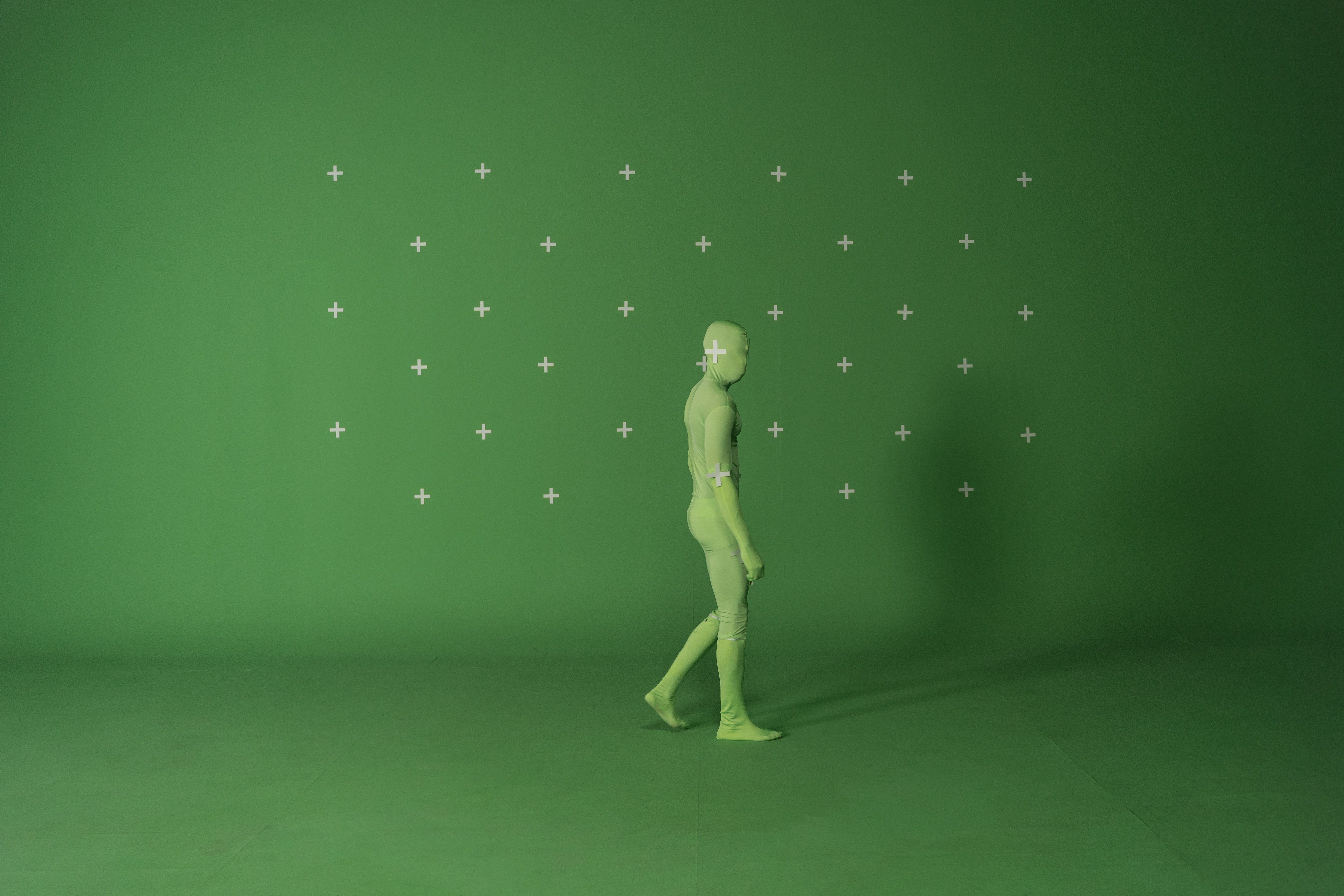
A true game-changer, in-camera VFX utilizes massive LED volumes to display hyper-realistic digital environments directly on set. Pioneered by shows like The Mandalorian, this technique allows actors to perform within a dynamic, illuminated world, creating authentic lighting, reflections, and shadows in real-time. This eliminates much of the guesswork associated with green screens, fostering more natural performances and immediate creative feedback for directors and cinematographers.
This workflow significantly streamlines post-production, as many visual effects are captured directly by the camera. For filmmakers adopting this, the key is meticulous pre-visualization and high-quality asset creation. The digital environment's fidelity is paramount, and precise planning of camera movements and lighting scenarios is crucial to fully leverage the benefits of this powerful, complex setup.
Game Engines for Final Pixel Rendering (Unreal Engine/Unity)
No longer confined to video games, powerful game engines like Unreal Engine and Unity are increasingly used for final pixel rendering in film. Their ability to render complex scenes in real-time, combined with photorealistic graphics, makes them invaluable for virtual scouting, previs, and even producing final shots. This offers immense flexibility and speed compared to traditional offline render pipelines.
Tools like Epic Games' MetaHuman Creator, built on Unreal Engine, exemplify this, enabling the rapid generation of incredibly realistic digital humans. This drastically reduces the cost and time for creating believable digital doubles. A practical tip is to leverage the vast marketplaces and communities offered by these engines for pre-built assets. Mastering scene optimization for real-time performance without sacrificing visual quality is also essential.
AI's Transformative Power in Post-Production
AI-Assisted De-Aging and Digital Doubles
Artificial intelligence is profoundly impacting post-production, especially in character manipulation. AI-assisted de-aging can subtly and effectively make actors appear decades younger, as seen in films like The Irishman. AI refines and accelerates processes that once required laborious manual work, delivering seamless results that preserve an actor's performance and essence.
Beyond de-aging, AI enhances digital doubles, ensuring CG characters move and react with lifelike fidelity by analyzing vast datasets of human movement. The practical advice here is to use AI as an enhancement, not a replacement for strong performances and skilled artistry. Filmmakers must also navigate ethical considerations surrounding AI and digital likenesses responsibly.
Neural Rendering & Volumetric Capture
Neural rendering utilizes neural networks to generate images and videos from sparse data, a significant leap from traditional methods. Coupled with volumetric capture, which records 3D shape and appearance, it enables the creation of truly photorealistic, re-lightable digital humans or complex scenes viewable from any angle. Imagine capturing an actor's performance as a dynamic 3D light field, seamlessly inserted into any virtual environment.
This technology, already advancing in VR/AR, is steadily impacting film, promising unprecedented realism for digital characters and effects. For filmmakers exploring this, understanding data acquisition and processing is key. High-quality capture setups and robust data pipelines are essential for feeding neural networks the rich information needed for stunning results, opening new frontiers in cinematic integration.
Pushing the Boundaries of Digital Creation
Advanced Procedural Generation for Vast Worlds
Creating expansive, richly detailed worlds is fundamental to epic filmmaking. Advanced procedural generation now builds vast landscapes, intricate cities, and complex ecosystems with incredible detail and efficiency. Instead of manual modeling, artists define rules and algorithms to generate elements automatically, allowing rapid iteration and exploration of fictional worlds.
This method empowers artistic vision by automating repetitive tasks, letting artists focus on unique hero elements and overall aesthetics. The practical tip is to balance procedural generation for scale with hand-sculpted details for critical areas. This hybrid approach ensures vastness is efficient, while intimate storytelling elements remain artfully crafted and unique.
Hyper-Realistic Simulations (Fluids, Cloth, Destruction)
The realism of digital simulations in film has reached astonishing levels, depicting natural phenomena and destructive events with breathtaking fidelity. From the turbulent waves in Aquaman to flowing garments or collapsing skyscrapers, advanced software accurately replicates complex physics and material interactions, often indistinguishable from actual footage.
Achieving this realism demands significant computational resources and a deep understanding of physics. A key actionable tip for simulations is to focus intensely on real-world reference. Study how water, fire, and destruction truly behave. Iterate extensively on parameters; minor adjustments dramatically impact believability. Seamless integration with live-action and other CG elements also requires meticulous attention to lighting, scale, and interaction.
Conclusion
The landscape of visual effects is in a constant state of evolution, pushing the boundaries of what stories can be told and how immersive cinematic experiences can become. From the collaborative power of virtual production to the transformative capabilities of AI and the boundless creativity enabled by advanced simulations, these cutting-edge techniques are not just tools; they are enablers of artistic vision, allowing filmmakers to transcend traditional limitations and bring truly spectacular worlds to life on screen.
Embracing these innovations is key for any filmmaker aiming to leave a lasting impact. Whether you're exploring the potential of real-time rendering or crafting intricate digital environments, the future of cinematic storytelling is bright and dynamic. If you're ready to elevate your next project with bespoke visual effects expertise and leverage the latest industry advancements, don't hesitate to connect with our team at FilmBaker. We're here to help you turn your most ambitious visions into stunning realities. You can get in touch with us directly at https://www.filmbaker.com/get-in-touch.