6 Pro VFX & 3D Design Strategies for Film Success.
In today's dynamic filmmaking landscape, visual effects (VFX) and 3D design are no longer exclusive to Hollywood blockbusters. From indie dramas to ambitious shorts, these powerful tools can elevate storytelling, create immersive worlds, and bring the seemingly impossible to life on screen. However, simply throwing CGI at a problem won't guarantee success. True mastery lies in strategic implementation, artistic vision, and a deep understanding of how these elements serve the narrative. At FilmBaker, we believe in empowering filmmakers with the knowledge to harness these technologies effectively. This post will delve into six pro strategies that can transform your VFX and 3D design approach, paving the way for film success.
The Foundation: Planning & Story Integration
1. Early Integration & Pre-visualization is Key
One of the most common pitfalls in filmmaking is treating VFX as an afterthought, a magical fix for problems encountered during production. Professional studios integrate VFX planning from the earliest stages of pre-production. This means involving your VFX supervisor or 3D lead during script breakdown, storyboarding, and location scouting. Understanding the scope of your visual effects needs early allows for smarter decisions regarding practical elements, camera angles, lighting, and even casting.
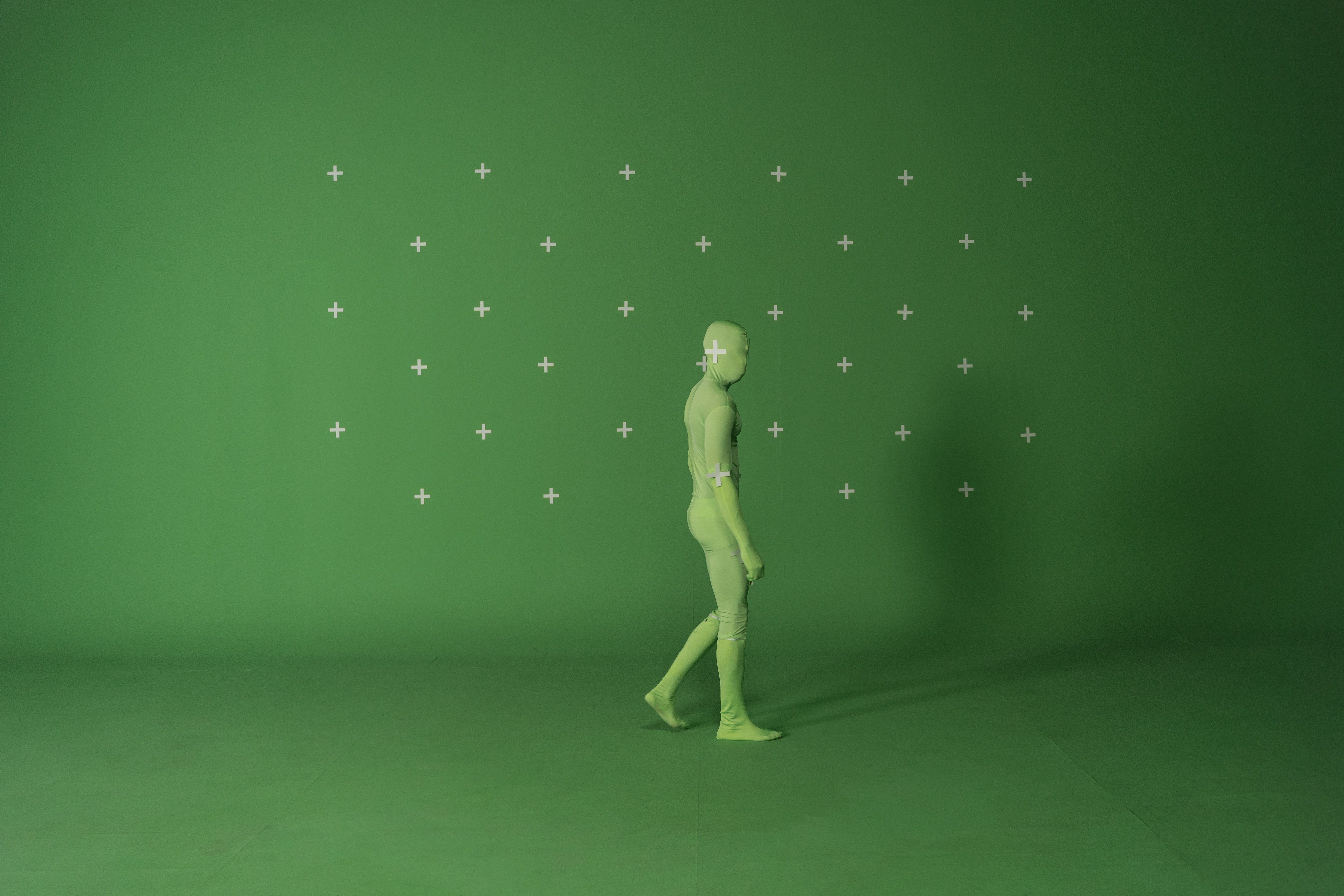
Leverage tools like storyboards, animatics, and detailed pre-visualization (pre-vis) to block out complex sequences. Pre-vis helps visualize how CG elements will interact with live-action footage, allowing directors to experiment with camera movement, timing, and pacing without costly reshoots. This proactive approach saves immense amounts of time and budget down the line, ensuring a smoother workflow and a more cohesive final product.
2. Story-Driven VFX, Not Spectacle-Driven
The most compelling visual effects are those that seamlessly serve the story, enhancing character emotions, developing the world, or advancing the plot, rather than existing purely for spectacle. A common mistake is to overuse dazzling effects simply because the technology allows it. Ask yourself: does this effect make the audience feel more, understand more, or believe more in the world you're creating? If not, it might be a distraction.
Think about the difference between a subtle digital matte painting that expands a city skyline, grounding the characters in a believable environment, versus an explosion that adds nothing to the narrative other than noise. Prioritize effects that contribute meaningfully to the emotional arc or thematic depth of your film. Even the most ambitious sequences should be rooted in character motivation or plot necessity, making the visual impact resonate far more deeply with your audience.
Smart Execution & Workflow Optimization
3. Master the Art of Practical-Digital Blend
For decades, the smartest filmmakers have understood the power of combining practical effects with digital enhancements. Instead of relying solely on CGI for every element, consider what can be achieved practically on set. Miniatures, forced perspective, elaborate costumes, and real-world atmospherics (smoke, rain, fog) can provide an incredible foundation that digital artists can then enhance, extend, or refine.
This hybrid approach often yields more realistic results and can be significantly more budget-friendly. A small practical explosion enhanced with digital debris and smoke, or a real costume augmented with CG glowing elements, can look far more convincing than a purely digital creation. The blend reduces the burden on your VFX team and grounds your visuals in a tangible reality, making your fantastical elements feel more authentic.
4. Optimized Asset Creation & Reusability
In 3D design, efficiency is paramount. Developing a robust pipeline for asset creation means planning for scalability and reusability from the outset. Instead of creating unique models for every single prop or background element, identify opportunities to build modular assets or variations of existing ones. For instance, a single 3D building model can be textured and dressed in multiple ways to create an entire city block, saving countless hours.
Furthermore, investing time in creating a well-organized asset library (props, environments, characters, textures) can dramatically speed up future projects or subsequent stages of the same film. Ensure your models are properly optimized for polygon count, UV unwrapped, and textured with attention to detail, as these foundational assets will be the building blocks of your virtual world, contributing to both visual quality and workflow speed.
Finishing Touches & Collaborative Excellence
5. Realistic Expectations & Smart Budget Allocation
No matter the ambition, every project operates within constraints of time, budget, and talent. It’s crucial to set realistic expectations for what your VFX and 3D design team can achieve. Prioritize your most impactful shots and allocate resources accordingly. Not every shot needs to be a showstopper; some simply need to be convincing and consistent with the film's aesthetic.
Work closely with your VFX supervisor to understand the cost and complexity of each effect. Sometimes, a simpler, cleverer solution can be more effective than an overly ambitious one that strains your budget or delivery schedule. Focus your budget on the moments that truly define your film's visual identity or are critical to the storytelling, ensuring you get the most visual bang for your buck where it truly matters.
6. Seamless Post-Production Pipeline & Communication
The journey of a VFX shot doesn't end when the renders are done; it's a collaborative process that integrates deeply with editing, color grading, and sound design. Establish a clear and consistent communication channel between your director, editor, VFX supervisor, and post-production team. Clear feedback loops, consistent file naming conventions, and robust version control are non-negotiable for a smooth pipeline.
Ensure that your VFX shots are integrated and approved within the edit early, allowing time for adjustments before final color grading. The final look and feel of your VFX can be significantly influenced by the colorist, so involve them in the discussion. A truly successful film is a symphony of all its parts, and seamless communication ensures that your visual effects shine harmoniously within the complete cinematic experience.
Conclusion
Mastering VFX and 3D design for film success isn't about having the biggest budget; it's about smart strategy, creative vision, and meticulous execution. By integrating these tools early, ensuring they serve your story, blending practical and digital elements, optimizing your workflow, managing expectations, and fostering seamless communication, you can elevate your filmmaking to professional heights. These strategies empower you to create compelling visual narratives that captivate audiences and leave a lasting impact, regardless of your project's scale. Ready to discuss how professional VFX and 3D design can transform your next film? Connect with us at FilmBaker and let's bring your vision to life. Visit our contact page to get in touch today!