Achieve Dynamic Visuals: 3D & VFX Design Mastery

In a world where visual content reigns supreme, the magic often happens behind the scenes, crafted meticulously by artists who blend technology with imagination. From the breathtaking landscapes of fantasy epics to the hyper-realistic product visualizations that capture our attention, 3D and VFX design are the unsung heroes of modern media. They don't just create images; they build entire worlds, tell compelling stories, and evoke profound emotions.
Mastering 3D and VFX is more than just learning software; it's about understanding the art, science, and psychology behind visual communication. It's a dynamic field that constantly evolves, pushing the boundaries of what's possible and transforming how we experience information and entertainment. This journey into mastery is an exciting one, offering endless creative opportunities for those passionate about bringing visions to life.
The Power of 3D & VFX in Modern Storytelling
Gone are the days when visual effects were merely an add-on. Today, 3D and VFX are integral to storytelling across nearly every medium. Think about the epic battles in blockbuster films, where entire armies are digitally created and animated, or the detailed, immersive environments in video games that transport players to alien planets or historical cities. These aren't just special effects; they are foundational elements that allow creators to transcend the limitations of physical reality, making the impossible seem tangible and the fantastical believable.
Beyond entertainment, the influence of dynamic visuals extends powerfully into advertising, architectural visualization, product design, and even medical simulations. A captivating 3D animation can explain complex concepts more effectively than paragraphs of text, showcasing product features with unparalleled clarity or demonstrating architectural designs with photorealistic fidelity. The ability of 3D and VFX to create compelling, engaging, and hyper-realistic visual narratives means they are no longer just tools, but essential languages for communicating ideas and experiences in a truly impactful way. For brands and storytellers alike, leveraging these technologies means unlocking new dimensions of audience engagement and immersion.
Essential Skills and Tools for Aspiring Masters
Embarking on the path to 3D and VFX mastery requires a blend of artistic flair and technical proficiency. At its core, a strong understanding of traditional art fundamentals is invaluable. Concepts like composition, color theory, lighting principles, anatomy, and perspective form the bedrock upon which all digital artistry is built. Think of it this way: a sculptor needs to understand form and weight, regardless of whether they're working with clay or polygons. Cultivating a keen eye for detail, an inquisitive mind for problem-solving, and boundless creativity are equally crucial.
The digital landscape is vast, populated by a powerful arsenal of software tools, each designed for specific stages of the 3D and VFX pipeline. For 3D modeling, sculpting, and animation, industry standards include Autodesk Maya, Blender (a fantastic free and open-source option), and ZBrush for high-detail sculpting. For visual effects, simulation, and procedural generation, Houdini stands out, while Adobe After Effects and Foundry Nuke are essential for compositing and motion graphics. Rendering engines like V-Ray, Octane, or Redshift bring your creations to life with photorealistic lighting and materials. Our practical tip for aspiring artists: don't try to master everything at once! Start with a foundational tool like Blender to grasp core concepts, then gradually explore specialized software based on your area of interest, whether it's character animation, environmental design, or dynamic simulations.
From Concept to Creation: A Workflow Overview
The journey from a blank canvas to a finished dynamic visual involves a structured, iterative workflow that can be broadly divided into three main phases: pre-production, production, and post-production. It all begins in pre-production, where ideas are fleshed out through storyboarding, concept art, and previz (pre-visualization). This crucial stage helps define the look, feel, and narrative flow, allowing for creative exploration and problem-solving before significant time and resources are committed to digital assets. Detailed planning, reference gathering, and script breakdown are key here.
Production is where the magic truly unfolds. This phase encompasses 3D modeling (creating the objects), texturing (adding surface detail and color), rigging (creating digital skeletons for animation), animation (bringing objects and characters to life), lighting (shaping the mood and realism), and rendering (generating the final images from 3D data). Collaboration is paramount during production; a single shot often involves multiple artists specializing in different areas. Throughout this process, continuous feedback loops and meticulous asset management ensure consistency and efficiency. Our practical tip: always work with layers. Build complexity gradually, starting with broad strokes and refining details. For instance, in modeling, block out the basic shape before diving into intricate details; in lighting, establish your key and fill lights before adding rim lights and subtle reflections.
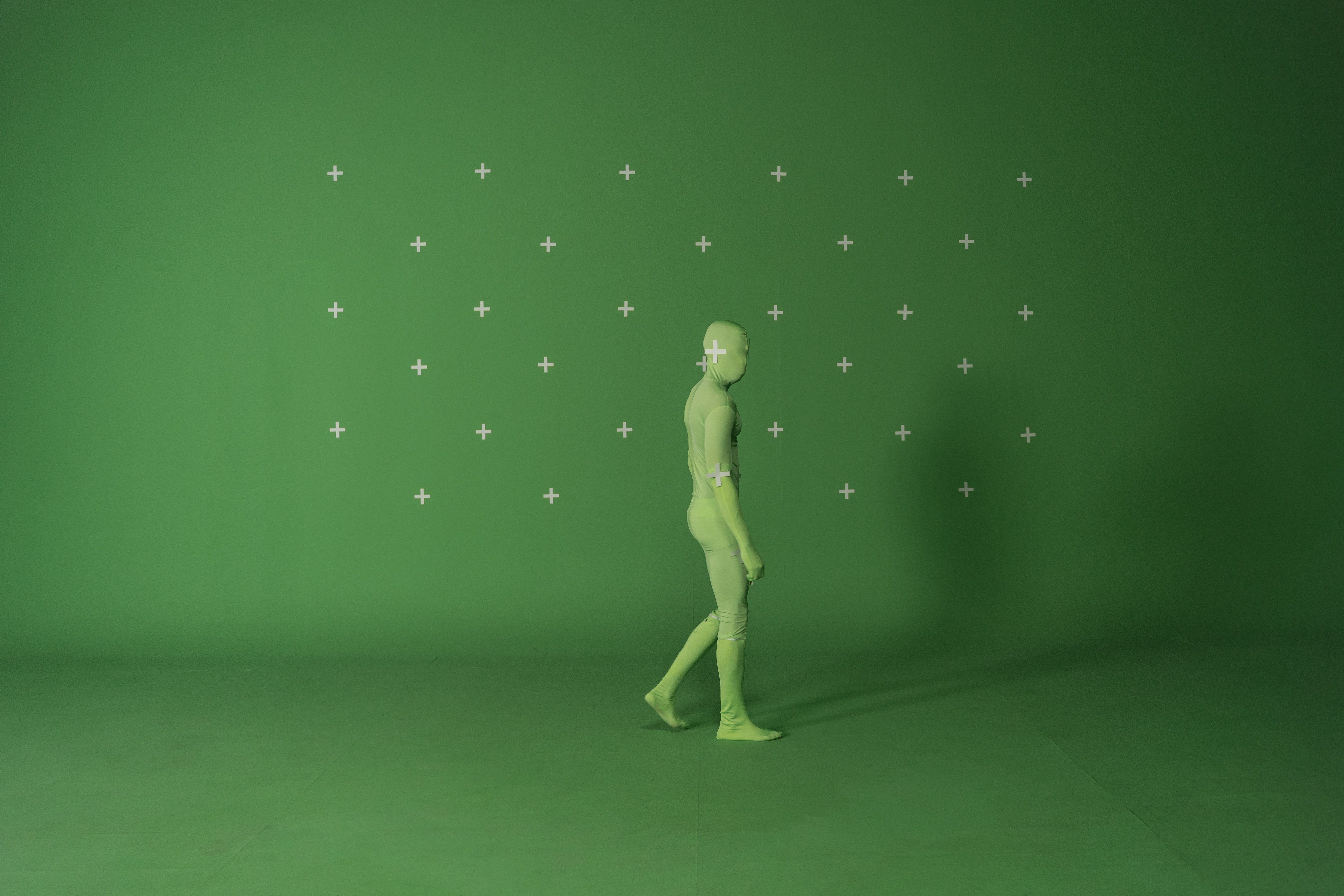
Finally, post-production brings everything together. This involves compositing, where all the rendered elements – 3D characters, environments, live-action footage, and visual effects – are seamlessly merged into a cohesive image. Color grading is then applied to unify the aesthetic and enhance the emotional impact, followed by final edits and output. This stage refines the visual narrative, ensuring every element serves the overall vision. A key piece of actionable advice: attention to detail in every stage, especially compositing, is what elevates good visuals to truly dynamic and believable ones. Small adjustments in shadows, reflections, and atmospheric effects can make all the difference.
Conclusion
Achieving mastery in 3D and VFX design is an ongoing adventure, demanding both technical skill and boundless creativity. It's about more than just making things look cool; it's about crafting immersive experiences, telling unforgettable stories, and pushing the boundaries of visual communication. The tools and techniques are constantly evolving, presenting endless opportunities for those dedicated to honing their craft and staying at the forefront of innovation.
Whether you're an aspiring artist or a business looking to leverage the power of dynamic visuals, understanding the depth and artistry behind 3D and VFX is key to unlocking truly captivating results. At FilmBaker, we pride ourselves on harnessing these advanced capabilities to deliver exceptional visual solutions that resonate and inspire. Ready to transform your vision into dynamic reality? Discover how we can bring your next project to life by reaching out today.
Explore our work and connect with us to discuss your visual needs: https://www.filmbaker.com/get-in-touch