Achieve Pro Visuals: 5 Cutting-Edge Film Techniques

The world of filmmaking is a dynamic canvas, constantly evolving with new tools and techniques that push the boundaries of visual storytelling. What was once the exclusive domain of multi-million dollar blockbusters is increasingly becoming accessible to creators at all levels, thanks to rapid technological advancements. Achieving that coveted "pro visual" isn't just about expensive cameras anymore; it's about understanding and leveraging the cutting-edge methods that define modern cinema.
At FilmBaker, we're passionate about empowering filmmakers with the knowledge to create stunning, impactful visuals. In this post, we'll dive into five revolutionary film techniques that are reshaping the industry, offering practical insights and actionable advice to help you elevate your productions from great to truly exceptional. Get ready to explore the future of visual storytelling!
Virtual Production and LED Volumes: Immersive Worlds On Set
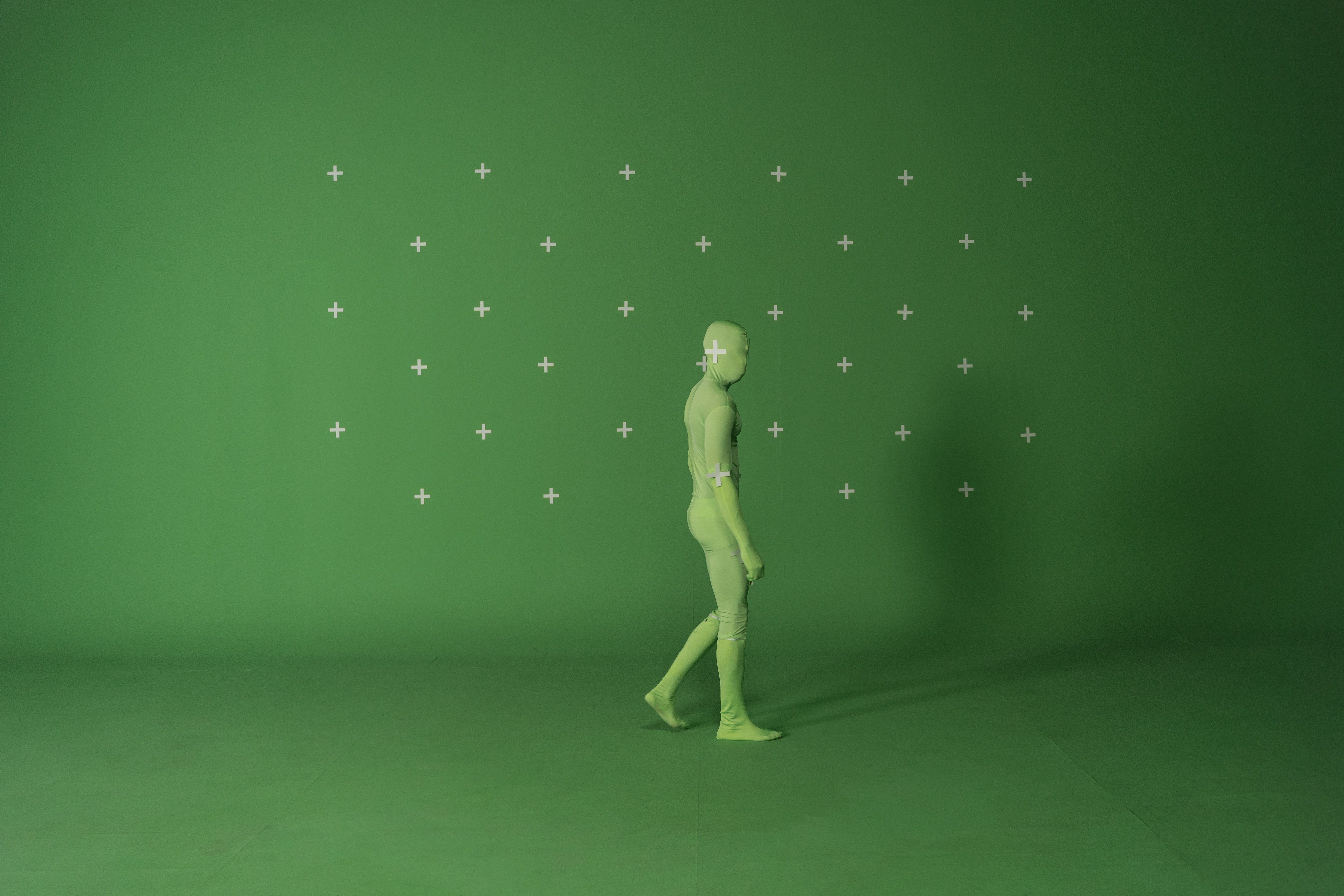
Forget the limitations of static green screens; virtual production, powered by massive LED volumes, is revolutionizing how films are made. This technology allows filmmakers to display hyper-realistic, real-time rendered environments directly on set, creating interactive backgrounds that respond to camera movement and lighting. Actors perform within the actual environment, and cinematographers can see the final shot unfold through their monitors, leading to more natural performances and significant creative freedom.
The benefits are profound: reduced post-production time and costs for VFX, realistic interactive lighting on actors and props, and the ability to "travel" to any location without leaving the studio. Directors can scout locations virtually and make real-time adjustments to sets and lighting. For independent filmmakers or those on tighter budgets, while a full-scale LED volume might be out of reach, understanding this technology is crucial. Practical Tip: Consider leveraging smaller LED screens for specific background elements or interactive lighting effects, or explore virtual scouting tools that integrate with game engines for early pre-visualization, giving you a taste of the immersive power of virtual environments.
AI-Powered Pre-visualization: Smarter Storyboarding and Shot Planning
Artificial intelligence is no longer just a sci-fi concept; it's becoming an invaluable assistant in the early stages of filmmaking. AI-powered pre-visualization tools are transforming how directors and cinematographers plan their shots, offering unprecedented efficiency and creative exploration. From generating sophisticated storyboards and concept art based on text prompts to simulating complex camera movements and blocking, AI can quickly produce visual representations that would traditionally take hours or days.
This technology accelerates the creative process, allowing teams to explore numerous visual possibilities and identify potential challenges long before cameras start rolling. It helps in refining shot lists, optimizing camera placement, and even suggesting lighting setups, streamlining communication across departments. Practical Tip: Experiment with AI art generators like Midjourney or DALL-E for rapid concept exploration and mood boarding. For more advanced planning, look into dedicated pre-visualization software that integrates AI features to assist with scene layout and camera path generation. This can significantly enhance your ability to communicate your vision and ensure a smoother production.
Mastering Motion: Robotic Camera Systems and FPV Drones
To capture truly unique and dynamic visuals, filmmakers are increasingly turning to advanced robotic camera systems and FPV (First Person View) drones. Robotic arms, like the renowned Bolt High-Speed Cinebot, offer unparalleled precision, speed, and repeatability for complex camera movements. They can execute incredibly fast, fluid, and intricate shots that are impossible for human operators, opening up new avenues for visual creativity, especially in commercial and music video production.
FPV drones, on the other hand, provide an immersive, fluid perspective that traditional drones or jibs can't match. Operated by skilled pilots wearing goggles that stream a live feed from the drone's camera, these nimble machines can weave through tight spaces, follow subjects with breathtaking speed, and create a truly visceral sense of motion. Practical Tip: While purchasing these high-end tools might not be feasible for every production, consider renting robotic arms for specific, high-impact shots that demand precision and speed. For FPV cinematography, collaborate with specialized drone pilots who have the expertise and equipment to deliver these electrifying perspectives, adding a distinct, cinematic flair to your project.
Computational Cinematography & Volumetric Capture: Beyond Traditional Frames
The convergence of photography, computer science, and filmmaking has given rise to computational cinematography, a powerful technique that uses software and multiple captures to create images impossible with a single lens. This includes advanced HDR techniques that go beyond simple exposure bracketing, light field photography which captures depth and allows for focus adjustments in post, and multi-shot composites that seamlessly blend elements for incredible VFX. It's about leveraging the digital realm to transcend the limitations of physical optics, creating hyper-real or entirely fantastical visuals with stunning fidelity.
Complementing this is volumetric capture, a technique that records objects, environments, or even human performances in full 3D space. Using an array of cameras, volumetric capture creates a "digital twin" of a subject, allowing filmmakers to manipulate it in post-production with incredible flexibility. Imagine scanning an actor's performance and then placing that performance into any virtual environment, viewed from any angle. This blend of physical and digital assets offers unprecedented control and photorealism for VFX, virtual production, and interactive experiences. Practical Tip: Start by exploring accessible photogrammetry apps on smartphones or consumer cameras to 3D scan objects for digital integration. For more advanced computational techniques, research software and plugins that enhance your post-production capabilities, pushing the boundaries of what your camera can achieve on its own.
Conclusion
The landscape of visual storytelling is evolving at an incredible pace, and these five cutting-edge techniques represent just a glimpse of what's possible. By understanding and embracing virtual production, AI-powered pre-visualization, advanced camera motion systems, computational cinematography, and volumetric capture, you can unlock new levels of creative freedom and achieve professional-grade visuals that truly captivate your audience.
The key is continuous learning and a willingness to experiment. These technologies aren't just for Hollywood giants; they are becoming increasingly accessible, offering powerful tools for filmmakers at every stage of their journey. Are you ready to take your visuals to the next level? Connect with us at FilmBaker to discuss how these innovations can be integrated into your next project and help bring your vision to life.