Advanced VFX & 3D: Crafting Unforgettable Film Scenes

In the vast tapestry of filmmaking, where stories leap from script to screen, advanced Visual Effects (VFX) and 3D technologies have emerged as more than just tools—they are master craftsmen, capable of sculpting the impossible. From breathtaking fantastical realms to subtle enhancements that make a moment feel utterly real, modern VFX is the silent force that transforms good scenes into unforgettable cinematic experiences. It's about blending artistry with cutting-edge technology to push the boundaries of imagination and immerse audiences like never before.
Gone are the days when VFX was solely associated with explosions and overt spectacle. Today, it’s an integral part of pre-production, production, and post-production, weaving itself into the very fabric of narrative storytelling. Whether it’s crafting photo-realistic creatures, de-aging beloved actors, or building entire cities that exist only in digital space, the goal remains consistent: to serve the story and create moments that resonate long after the credits roll. Let's delve into how advanced VFX and 3D are revolutionizing the craft of filmmaking.
The Art of Seamless Integration: Beyond Green Screens
Modern VFX isn't about making things look fake or obviously "computer-generated"; it's about making the impossible look utterly real. The true magic lies in seamless integration, where digital elements blend flawlessly with live-action footage, making it impossible for the audience to discern where reality ends and the digital world begins. This involves sophisticated techniques far beyond simple green screens. Think about the complex environments in Denis Villeneuve's Dune, where vast, alien landscapes feel tangible and weathered, or the subtle yet powerful de-aging technology used in Martin Scorsese's The Irishman, which allowed actors to convincingly portray decades-younger versions of themselves.
Achieving this level of realism requires meticulous planning and data capture on set. Techniques like photogrammetry, LIDAR scanning, and high-dynamic-range imaging (HDRI) are employed to meticulously recreate real-world environments, props, and lighting conditions in the digital realm. This wealth of data allows VFX artists to match digital assets to live-action plates with astonishing accuracy, from light bounces and shadows to atmospheric effects. The result is a visual experience so cohesive that the audience can fully suspend their disbelief and dive deep into the story.
Practical Tip: Early VFX Supervision is Key
For seamless integration, involve VFX supervisors from the earliest stages of pre-production. Their input can inform production design, camera choices, and shooting methodologies, saving significant time and budget in post-production. Planning for VFX shots, understanding the limitations and possibilities, and capturing comprehensive on-set data are crucial. A well-prepared set means fewer headaches and better results later on.
Character Creation & Performance Capture: Bringing the Impossible to Life
One of the most breathtaking applications of advanced VFX and 3D is the creation of hyper-realistic digital characters and creatures. From the iconic Gollum in The Lord of the Rings to the emotionally resonant Caesar in the Planet of the Apes franchise, these characters have transcended mere digital constructs to become compelling individuals, thanks to the sophistication of performance capture technology. This isn't just about animating a model; it's about translating an actor's nuanced performance—every twitch, every subtle facial expression, every flicker of emotion—into a digital entity.
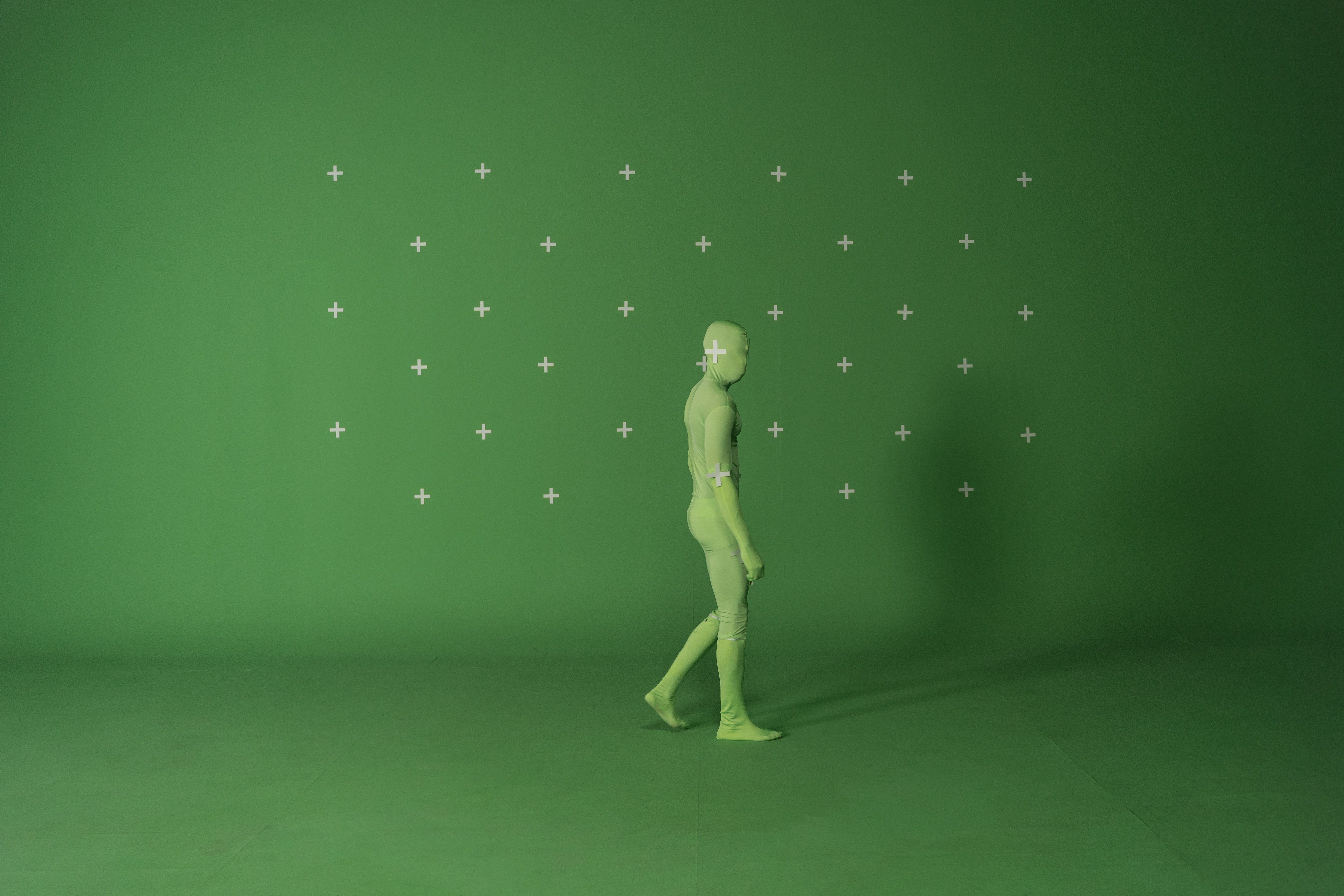
Performance capture involves outfitting actors with special suits covered in markers, which are then tracked by multiple cameras. This data is used to drive the digital character's skeletal and muscle systems, ensuring that its movements are a faithful representation of the actor's performance. Facial capture technology further refines this, using advanced rigs and scanning to reproduce minute facial expressions and eye movements, imbuing digital characters with genuine pathos and personality. The success of these characters lies not just in their visual fidelity but in their ability to convey emotion and drive the narrative, making audiences forget they are watching a computer-generated image.
Practical Tip: Emotion First, Technology Second
When creating digital characters, always prioritize the actor's performance and the character's emotional arc. The technology is there to serve the performance, not overshadow it. Focus on casting talented performers who can bring depth and nuance, and ensure the VFX team is adept at translating that humanity into the digital realm. A technically perfect but emotionally hollow character will always fall short.
World-Building & Environmental Storytelling with 3D
Beyond characters, advanced 3D technologies are indispensable for constructing entire worlds that transport audiences to other realities. Whether it’s the sprawling future cityscapes of Blade Runner 2049 or the vibrant alien ecosystem of Pandora in Avatar, digital environments are no longer just static backdrops; they are dynamic, immersive characters in themselves, designed to enhance the narrative and deepen the audience's engagement. These worlds can be entirely imagined or based on real locations, meticulously recreated and enhanced.
Creating these vast, detailed environments involves a combination of techniques, including digital matte painting, procedural generation (for sprawling natural landscapes or city blocks), and extensive 3D modeling and texturing. Virtual production, utilizing large LED volumes and real-time rendering engines like Unreal Engine, further revolutionizes this by allowing filmmakers to shoot actors within these digital environments, seeing the final composite in real-time. This provides unprecedented creative control and allows for more spontaneous decision-making on set, bringing the digital world to life even before post-production begins.
Practical Tip: Environments as Narrative Elements
Design your digital environments with storytelling in mind. Every detail, from the architecture to the weather effects, should contribute to the film's mood, theme, and plot. Think about how the environment reflects the characters' inner states or foreshadows events. A well-crafted digital world isn't just pretty; it's an active participant in the story, deepening immersion and enhancing thematic resonance.
The Power of Real-time VFX and Virtual Production
The landscape of VFX is continually evolving, and one of the most exciting advancements is the rise of real-time rendering and virtual production. Tools like Unreal Engine and Unity, once primarily for gaming, are now empowering filmmakers to visualize and even shoot complex scenes on LED stages, seeing the final composite live on set. This revolutionary approach allows directors and cinematographers to make creative decisions in the moment, adjusting lighting, camera angles, and even digital set extensions with immediate feedback, mirroring traditional filmmaking more closely.
Virtual production, famously used in shows like The Mandalorian, creates a dynamic, interactive environment where digital backgrounds are projected onto massive LED screens surrounding the performers. This not only provides realistic in-camera lighting and reflections but also gives actors a tangible world to react to, improving their performance. It minimizes the need for extensive green screen work and post-production rotoscoping, leading to more efficient workflows and often, higher-quality results straight out of the camera.
Practical Tip: Embrace Iteration and Collaboration
For those considering real-time VFX and virtual production, embrace an iterative and highly collaborative workflow. These technologies thrive on constant communication between the creative, technical, and production teams. Experiment early and often during pre-production to iron out technical challenges and explore creative possibilities. The flexibility of real-time rendering means you can iterate rapidly, so leverage that to refine your vision continually.
Conclusion
Advanced VFX and 3D are no longer just post-production magic tricks; they are fundamental pillars of modern filmmaking, enabling storytellers to realize visions once thought impossible. From crafting seamless digital integrations and bringing impossible characters to life to building entire immersive worlds, these technologies push the boundaries of cinematic artistry. When wielded with creativity and a deep understanding of storytelling, they become powerful tools for crafting unforgettable film scenes that captivate, inspire, and deeply move audiences.
Are you ready to explore how cutting-edge VFX and 3D can elevate your next film project? At FilmBaker, we specialize in transforming your cinematic vision into stunning reality, utilizing the latest in advanced visual effects and 3D production. We're passionate about crafting scenes that resonate and leave a lasting impact. Learn more about our services and how we can bring your stories to life by getting in touch with our expert team today.