Elevate Visual Storytelling: 5 Pro Film Production Secrets

In the vast and vibrant world of film production, where countless stories vie for attention, what truly separates a good film from an unforgettable masterpiece? It's often not just about the budget or the star power, but a deeper understanding of the craft – a mastery of the subtle yet profound elements that elevate visual storytelling. Professional filmmakers aren't just pointing and shooting; they're meticulously crafting every frame, every sound, and every cut with intent and precision.
At FilmBaker, we believe that understanding these professional nuances is key to creating truly impactful content. We've distilled years of industry experience into five essential secrets that can transform your projects from good to truly exceptional. These aren't just technical tricks; they're foundational principles that, when embraced, unlock a new level of cinematic artistry.
The Blueprint: Pre-production Mastery & Strategic Camera Work
Secret 1: Pre-production is Your Foundation
Many aspiring filmmakers are eager to jump straight into shooting, but professionals know that the magic often begins long before the camera even rolls. Pre-production is the bedrock of any successful film project. This phase involves meticulous planning, from breaking down the script into individual scenes and shots, creating detailed storyboards and shot lists, to location scouting, casting, and scheduling. Every decision made here significantly impacts the efficiency of your shoot and the quality of your final product.
Think of it like building a house: you wouldn't start laying bricks without a detailed architectural plan. A comprehensive pre-production phase saves invaluable time and money, mitigates potential problems on set, and ensures that your entire team is aligned with the creative vision. It's where you visualize every frame, anticipate challenges, and craft a roadmap that guides your production through to completion, allowing for creative freedom within a structured framework.
Secret 2: Strategic Camera Movement & Composition
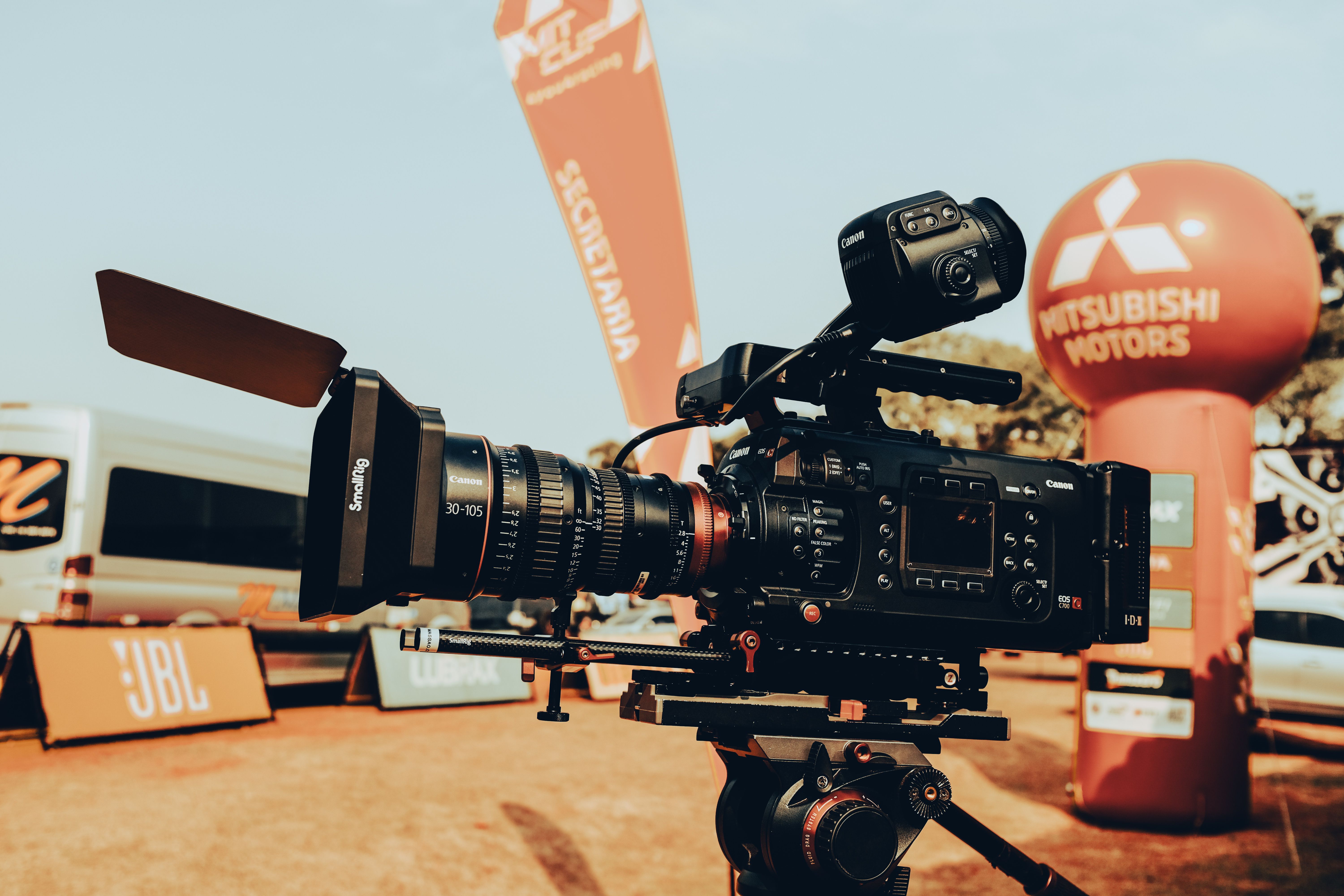
The camera is far more than just a recording device; it's a powerful narrative tool. Professional filmmakers don't just "get the shot"; they carefully consider how every angle, every movement, and every compositional choice contributes to the story and evokes specific emotions. Whether it's the stable elegance of a dolly shot, the intimate realism of handheld, or the expansive grandeur of a crane shot, each movement speaks volumes.
Compositional techniques like the Rule of Thirds, leading lines, symmetry, and negative space are applied not just for aesthetic appeal, but to guide the viewer's eye, create depth, and emphasize dramatic impact. Understanding when to use a wide shot for context, a medium shot for interaction, or a close-up for emotional intensity is crucial. Deliberate camera work transforms passive viewing into an immersive experience, subtly influencing how the audience perceives characters, situations, and the overall narrative.
The Unseen Force: Mastering Sound Design
Secret 3: Sound is Half the Picture (or More!)
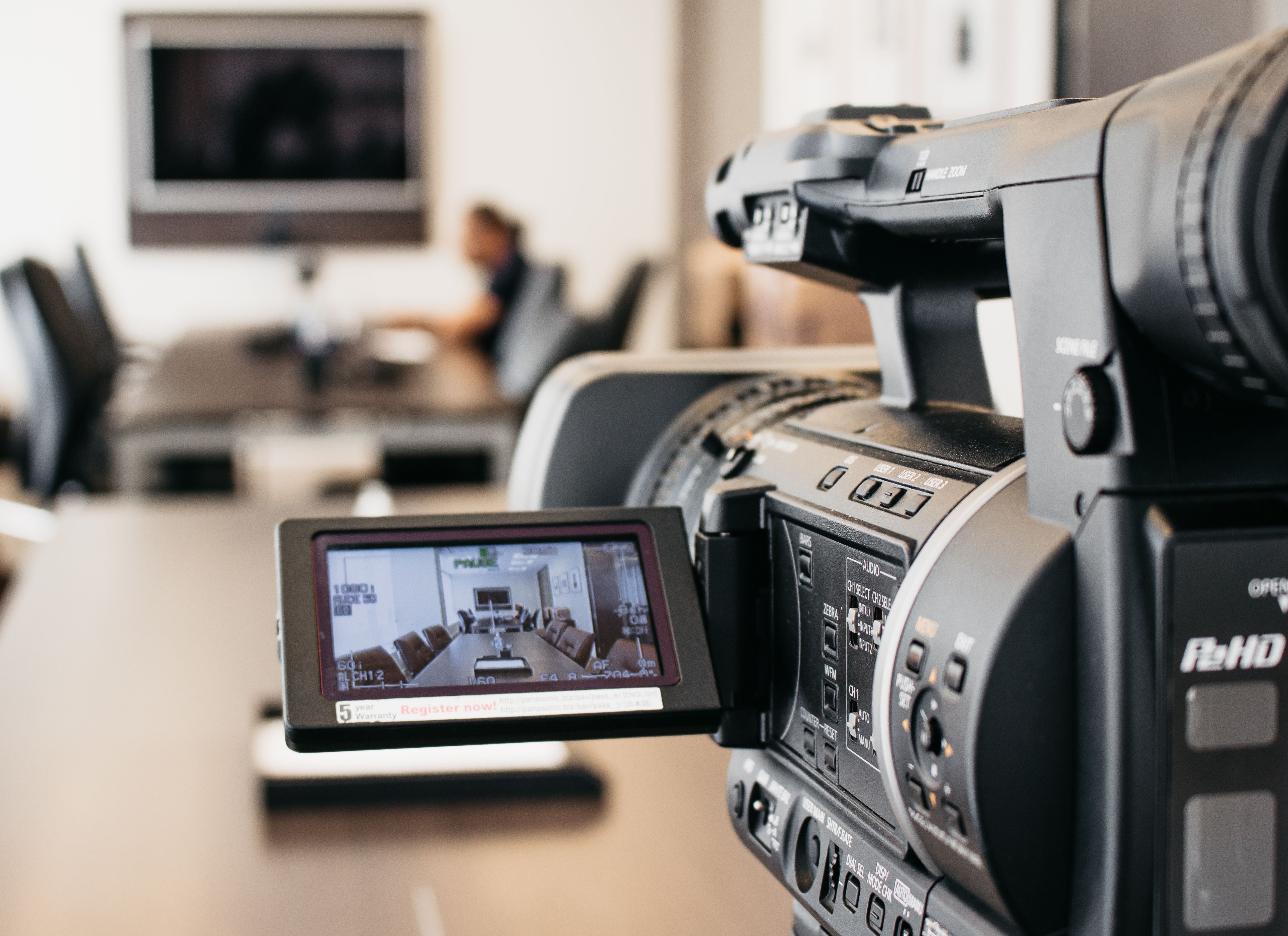
It's a common adage in filmmaking, and for good reason: poor audio can ruin even the most visually stunning film. Professional filmmakers understand that sound is not merely an accompaniment to visuals but an integral part of the storytelling fabric. From crystal-clear dialogue that conveys emotion to immersive ambient sounds that build atmosphere, and impactful sound effects that punctuate action, every auditory element plays a critical role in shaping the audience's experience.
Imagine a suspenseful scene without the subtle creaks, distant sirens, or heart-pounding score – much of its impact would be lost. Mastering sound design involves meticulous recording on set using high-quality microphones (boom, lavalier), followed by expert post-production work including foley artistry, sound layering, mixing, and the strategic application of music. A truly compelling soundscape can transport your audience, deepen character empathy, and amplify the emotional resonance of your narrative in ways visuals alone cannot.
Sculpting with Light: Illuminating with Intent
Secret 4: Light is Your Most Powerful Brush
Light is perhaps the most fundamental element of visual storytelling. Professional cinematographers don't just "light a scene"; they sculpt with light, using it to define mood, highlight character, separate elements, and guide the viewer's focus. Whether harnessing the soft glow of natural window light or meticulously crafting a complex artificial lighting setup, every choice about light quality, direction, and color temperature carries significant narrative weight.
Understanding concepts like three-point lighting (key, fill, back light), hard vs. soft light, and high-key vs. low-key aesthetics allows filmmakers to create specific emotional responses. A dramatic scene might employ harsh, low-key lighting to emphasize conflict, while a romantic interlude might use soft, warm light to evoke intimacy. Mastering light means seeing the world as a canvas of illumination and shadow, where every choice is a brushstroke contributing to the overall cinematic painting.
The Final Polish: The Art of the Cut
Secret 5: Editing is Where the Story Comes Alive
The director shoots the film, but the editor truly makes it. Editing is not merely assembling footage; it's a sophisticated art form that dictates pace, rhythm, emotional arc, and the very structure of the narrative. A skilled editor can transform raw footage into a compelling story, using cuts, transitions, and sequencing to manipulate time, build suspense, and elicit specific audience reactions. It's where the narrative gains its momentum and finds its voice.
Professionals understand that every cut should serve the story. They're masters of pacing – knowing when to linger on a shot for emotional impact, when to make a rapid jump cut for energy, or when to use a montage to convey the passage of time. Beyond technical proficiency, great editing requires an innate understanding of human psychology and narrative flow. It's the final opportunity to refine performances, tighten dialogue, and ensure that every moment resonates, culminating in a cohesive and powerful cinematic experience.
Conclusion
Mastering these five professional film production secrets—meticulous pre-production, strategic camera work, immersive sound design, intentional lighting, and masterful editing—is what truly elevates visual storytelling. They are the cornerstones upon which compelling narratives are built, transforming mere images and sounds into emotional journeys and unforgettable experiences. By embracing these principles, you move beyond simply capturing events to truly crafting cinema.
Ready to apply these secrets or need a team that lives by them? Whether you're a budding filmmaker eager to learn or a seasoned pro looking for production partners who understand the nuances of compelling visual storytelling, FilmBaker is here to help turn your vision into reality. Reach out to us today and let's create something extraordinary together.