Empower Your Art: 5 AI Tools for Filmmakers & Designers

The world of filmmaking and design is constantly evolving, pushing the boundaries of what's possible with every new technological leap. For centuries, artists have leveraged tools to amplify their vision, and today, Artificial Intelligence stands as one of the most transformative allies in the creative toolkit. Far from replacing human ingenuity, AI is emerging as an incredibly powerful assistant, streamlining mundane tasks, sparking new ideas, and unlocking creative avenues previously unimaginable.
At FilmBaker, we're always exploring the cutting edge to empower creators. This article dives into five innovative AI tools that are not just futuristic concepts but practical applications for filmmakers and designers right now, helping you enhance your workflow, ignite your imagination, and ultimately, empower your art.
The Idea Forge: AI for Pre-Production & Conceptualization
Before a single frame is shot or a design pixelated, the journey begins with an idea. AI is rapidly proving itself an invaluable partner in the initial, often most challenging, stages of creative development. From overcoming writer's block to visually articulating abstract concepts, these tools accelerate the pre-production process, allowing you to iterate and refine ideas with unprecedented speed.
1. AI-Powered Scriptwriting & Brainstorming (e.g., ChatGPT, Jasper AI)
Facing a blank page can be daunting for any writer. AI language models like ChatGPT or Jasper AI are fantastic resources for overcoming creative hurdles. They can generate script outlines, character backstories, dialogue options, or even alternative plot points, acting as a tireless brainstorming partner.
Practical Tip: Don't expect a polished screenplay from scratch. Instead, feed the AI your core concept, character descriptions, and desired mood. Ask it to generate five different opening scenes, or suggest character motivations for a specific conflict. You can then cherry-pick the best elements, refine them with your unique voice, and build upon a solid foundation, saving hours of initial ideation time. It’s like having an infinite number of junior writers at your disposal, ready to try out any idea you throw at them.
2. Generative AI for Visual Development (e.g., Midjourney, DALL-E 3)
Visualizing a script or design concept is crucial, but creating detailed mood boards or concept art can be time-consuming. Tools like Midjourney and DALL-E 3 allow you to generate stunning, high-quality images from simple text prompts, turning abstract thoughts into tangible visuals almost instantly.
Practical Tip: Use these tools to rapidly create mood boards for film scenes, character designs, environmental concepts, or even to explore different art styles for an animation project. For filmmakers, try inputting scene descriptions like "neo-noir alleyway at dawn, rain-slicked pavement, lone detective silhouette." For designers, experiment with "futuristic minimalist interior design, warm lighting, sustainable materials." These visual explorations can then be shared with your team to align everyone's vision quickly, reducing misinterpretations and accelerating the feedback loop.
Streamlining Production: AI in the Edit Bay & Beyond
Once the creative direction is set, the real work of bringing it to life begins. Production and post-production are phases notoriously rich in repetitive, time-consuming tasks. AI is stepping in to automate these processes, freeing up valuable human hours for more creative decision-making and artistic refinement.
3. AI-Assisted Video Editing & VFX (e.g., RunwayML, DaVinci Resolve Magic Mask)
The editing room is where the story truly comes together, but it often involves meticulous, frame-by-frame work. AI tools are revolutionizing everything from basic cuts to complex visual effects. Platforms like RunwayML offer features such as text-to-video generation, object removal, and even advanced rotoscoping with incredible ease. DaVinci Resolve's Magic Mask tool similarly uses AI to quickly select and track subjects, simplifying color grading and effects application.
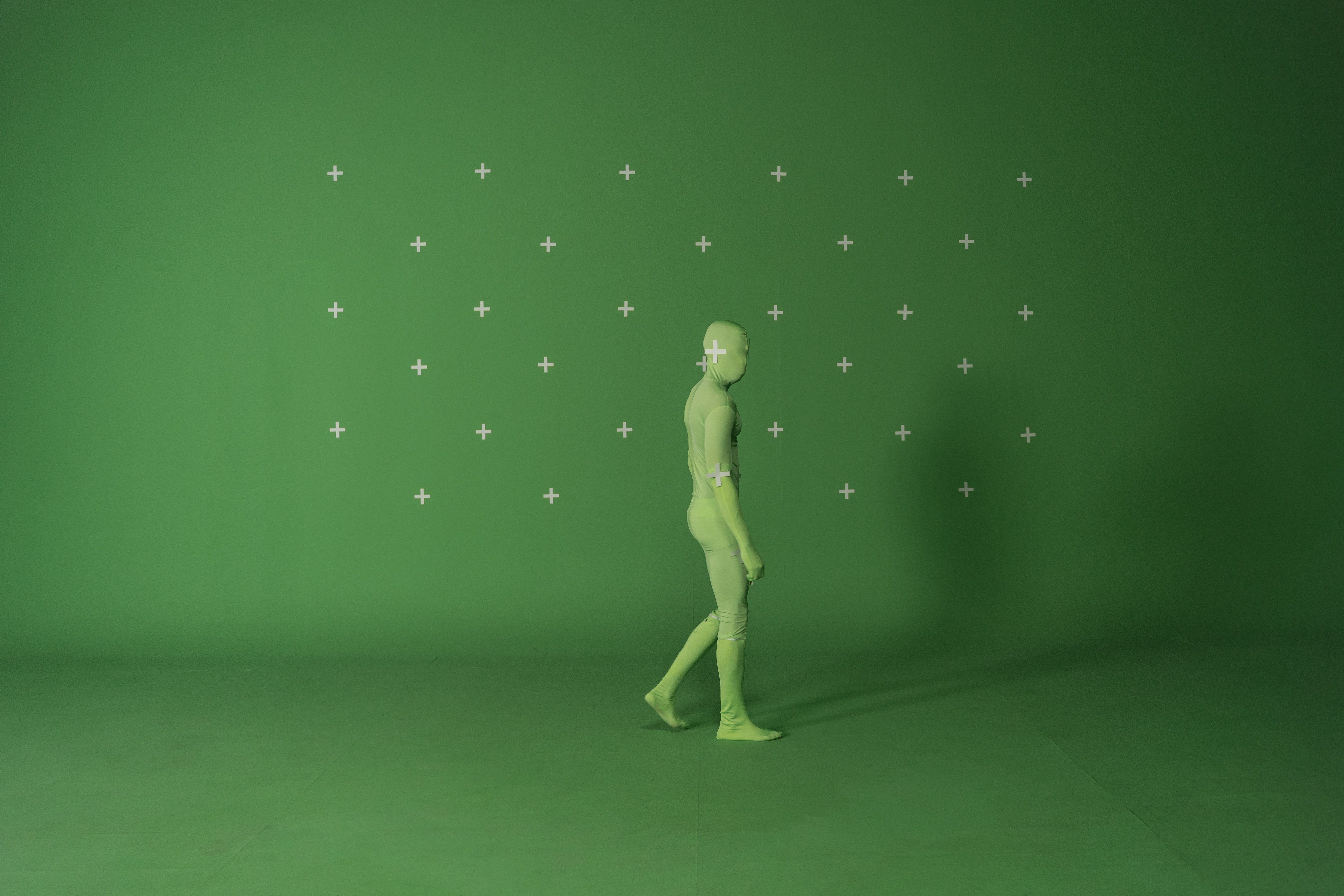
Practical Tip: Imagine needing to remove a boom mic shadow from a shot, or isolating an actor from a busy background for a greenscreen effect. Instead of painstakingly keyframing masks, AI can often accomplish this in seconds. For rapid prototyping, use RunwayML to generate quick B-roll or transition ideas from text prompts. This efficiency allows editors and VFX artists to dedicate more time to the nuanced storytelling and artistic polish that truly elevates a project.
4. AI for Audio & Music Composition (e.g., AIVA, Soundraw, Adobe Audition AI)
Sound design and music are integral to cinematic storytelling, setting the mood and guiding emotions. However, finding or composing the perfect track can be a lengthy process. AI composers like AIVA (Artificial Intelligence Virtual Artist) can generate bespoke soundtracks in various styles and moods, while Soundraw offers a vast library of AI-generated music customizable to your exact specifications.
Practical Tip: Instead of sifting through countless stock music libraries, use AIVA to generate an original score that precisely matches the emotional arc of your scene. Provide parameters like genre, mood, instrumentation, and duration. For designers creating video content, Soundraw allows for quick creation of background music for presentations or social media clips. Adobe Audition's AI-powered tools also shine in post-production, offering intelligent denoising, speech enhancement, and automatic remixing capabilities to fit music tracks to desired lengths, saving precious time in the audio suite.
Expanding Creative Horizons: AI for Unique Visuals & Scaling
Beyond efficiency, AI also opens doors to entirely new aesthetic possibilities and helps scale creative outputs. It allows artists and designers to experiment with concepts and generate assets that would be incredibly complex or time-consuming to produce through traditional means, pushing the boundaries of what visual art can be.
5. AI for Generative Art & Asset Creation (e.g., Adobe Firefly, Stable Diffusion)
The latest generation of generative AI, particularly tools like Adobe Firefly and Stable Diffusion, are empowering creators to build unique assets and extend their creative universes. Firefly's "Generative Fill" and "Generative Expand" features within Photoshop, for instance, allow designers to seamlessly add elements to images or expand canvases with contextually relevant content. Stable Diffusion, being open-source, offers immense flexibility for custom asset generation, style transfer, and even upscaling.
Practical Tip: For filmmakers, use generative fill to extend set pieces, create background elements for visual effects shots, or even fix imperfections in a frame. Designers can leverage these tools to generate unique textures, patterns, or complex illustrations for branding, web design, or motion graphics. Need an alien landscape for a sci-fi short or a unique fabric texture for a product rendering? AI can generate countless variations in moments, allowing you to rapidly prototype and integrate entirely new visual elements into your projects, scaling your creative output without scaling your team.
Conclusion
The integration of AI into filmmaking and design isn't about replacing the human touch; it's about amplifying it. These five tools represent just a fraction of the innovations emerging, each designed to free up creative professionals from the repetitive and the mundane, allowing them to focus on the truly artistic and conceptual aspects of their work. By embracing AI, filmmakers and designers can work smarter, innovate faster, and push the boundaries of their craft further than ever before. The future of creative endeavors is collaborative, with human imagination leading the way, powered by intelligent assistance.
Curious to learn more about how technology can elevate your creative projects? We at FilmBaker are dedicated to empowering creators with insights and solutions. Feel free to explore more or get in touch with us to discuss how we can help bring your vision to life.