How to Create Jaw-Dropping Visuals with Advanced 3D & VFX

In today's visually-driven world, captivating an audience often comes down to the sheer spectacle on screen. From the most intricate fantastical creatures to breathtaking digital environments that feel more real than reality, advanced 3D and Visual Effects (VFX) are the secret sauce that transforms mere concepts into unforgettable experiences. If you've ever wondered how filmmakers and artists conjure such jaw-dropping visuals, you're in the right place. This post will take you on a journey through the sophisticated techniques and artistic principles behind creating truly awe-inspiring 3D and VFX.
Gone are the days when CGI felt artificial and disconnected. Modern 3D and VFX have evolved into a seamless blend of art and technology, capable of crafting worlds and characters with unparalleled photorealism and emotional depth. Whether for blockbuster films, immersive video games, compelling commercials, or groundbreaking architectural visualizations, the ability to manipulate light, form, and motion digitally offers limitless creative potential. Let's delve into the core elements that empower artists to sculpt the impossible.
The Unseen Foundation: Artistry Behind the Algorithm
While cutting-edge software and powerful render farms grab headlines, the true magic of jaw-dropping visuals begins with a deep understanding of fundamental artistic principles. Before a single polygon is modeled or a shader is tweaked, artists must grasp concepts like composition, lighting, perspective, anatomy, and color theory. These timeless principles, honed over centuries in traditional art forms, are the bedrock upon which all compelling digital imagery is built. Without them, even the most technically perfect render can fall flat.
Practical application starts with meticulous planning and reference. Successful projects always begin with extensive visual research, gathering everything from real-world photographic references for textures and lighting to anatomical studies for character rigging. Artists often create detailed concept art, storyboards, and even pre-visualization (previz) sequences long before any heavy lifting in 3D software begins. This foundational stage isn't just about pretty pictures; it's about problem-solving, defining the visual language, and ensuring every creative decision serves the overall narrative or objective. Think of it as building a strong architectural blueprint before constructing a skyscraper.
Pushing Boundaries: Harnessing Advanced 3D Techniques
Once the artistic foundation is solid, it's time to leverage the sophisticated tools and techniques that truly elevate visuals to the next level. Photorealism, for instance, is no longer just an aspiration but an expectation. This is achieved through advanced rendering methods like global illumination, ray tracing, and path tracing, which accurately simulate how light behaves in the real world – bouncing, refracting, and reflecting off surfaces to create incredibly nuanced shadows and realistic material properties. The result is imagery that is virtually indistinguishable from live-action photography.
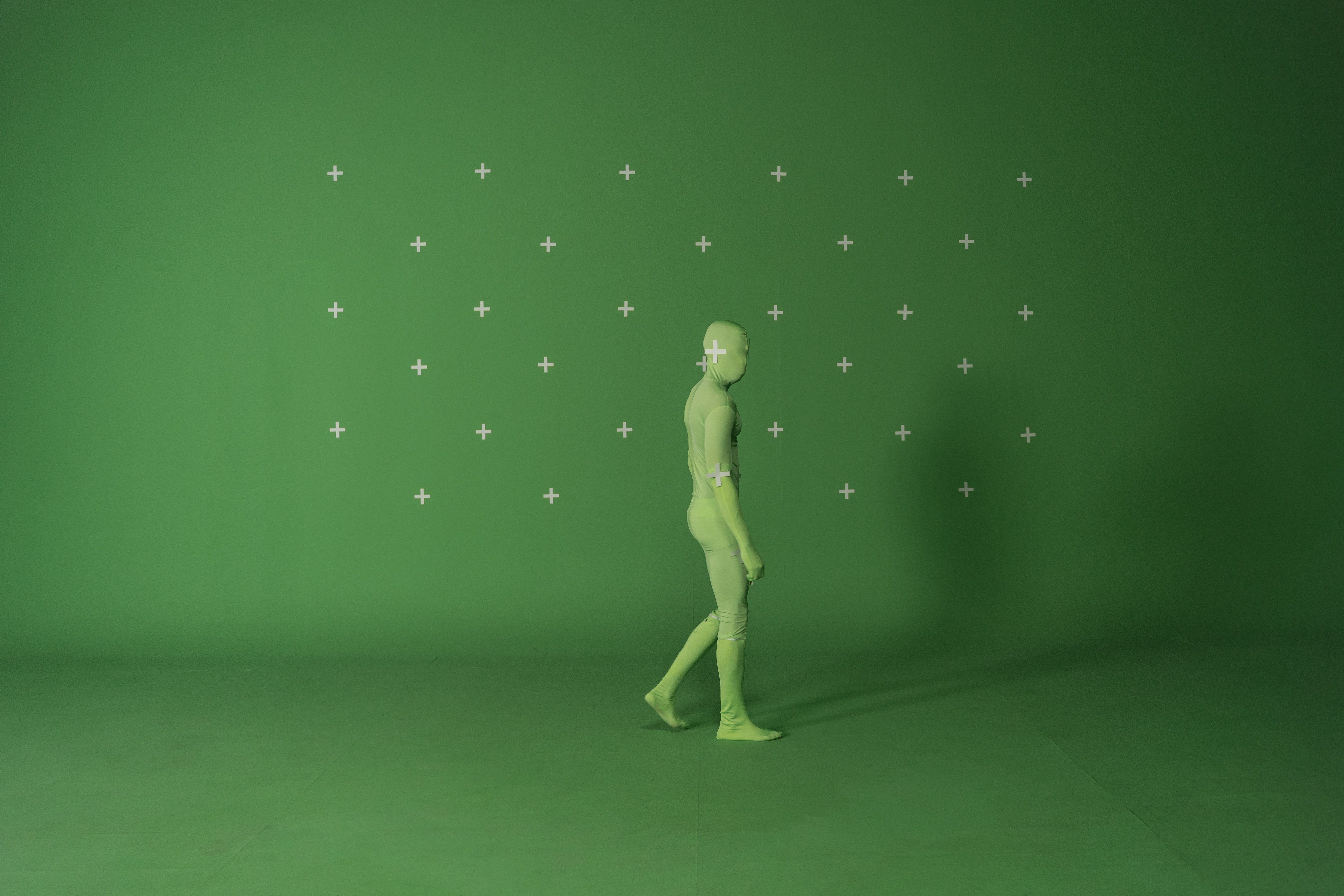
Beyond static images, advanced simulation plays a critical role in bringing dynamic elements to life. Imagine the realistic flow of water, the billowing of smoke, or the dynamic tearing of fabric – these complex phenomena are often generated using sophisticated physics-based simulations rather than traditional animation. Software engines can calculate how millions of particles interact, how forces impact objects, and how fluids behave, providing an unparalleled level of realism and detail that would be impossible to achieve manually. Similarly, techniques like digital doubles and performance capture allow for the creation of incredibly lifelike human characters, translating an actor's nuanced performance directly onto a digital counterpart.
The Collaborative Canvas: Iteration and Synergy in VFX
Creating complex 3D and VFX is rarely a solo endeavor, especially for large-scale projects. It's a highly collaborative process involving dozens, sometimes hundreds, of specialized artists and technicians working in concert. From modelers and texture artists to riggers, animators, lighting artists, and compositors, each department plays a crucial role in the extensive pipeline. Effective communication and seamless handoffs between these teams are paramount to maintaining artistic consistency and technical integrity throughout the production.
Moreover, the journey from concept to final shot is intensely iterative. Artists frequently refine their work based on feedback from directors, clients, and supervisors. This involves countless rounds of revisions, adjustments, and improvements, often leveraging version control systems to track changes and review sessions to present progress. This iterative approach ensures that the final visuals not only meet but exceed expectations, aligning perfectly with the overarching creative vision. It's a continuous cycle of creation, critique, and refinement that truly polishes a raw idea into a brilliant gem.
Tomorrow's Toolkit: Embracing Innovation and Real-time Workflows
The landscape of 3D and VFX is constantly evolving, with new tools and technologies emerging at a rapid pace. While industry-standard software like Autodesk Maya, Blender, ZBrush, Substance Painter, Houdini, and Nuke remain foundational, understanding the broader trends is key. One of the most significant shifts is the rise of real-time VFX, driven by powerful game engines like Unreal Engine and Unity. These engines are no longer just for gaming; they're being utilized for virtual production, interactive experiences, architectural walkthroughs, and even final film-quality renders, dramatically speeding up workflows and allowing for immediate visual feedback.
Furthermore, Artificial Intelligence (AI) and Machine Learning (ML) are beginning to revolutionize various aspects of the VFX pipeline. AI can now assist with tedious tasks like rotoscoping, intelligent denoising, automated asset generation, and even character animation. While not replacing artists, these technologies act as powerful co-pilots, freeing up creative talent to focus on artistic decisions rather than repetitive manual work. Staying abreast of these technological advancements, and understanding how to integrate them into traditional pipelines, is essential for any artist or studio looking to remain at the forefront of visual innovation.
Conclusion
Creating jaw-dropping visuals with advanced 3D and VFX is a multifaceted discipline that marries artistic mastery with cutting-edge technology. It's a journey that demands a strong foundation in traditional art principles, a willingness to embrace sophisticated digital techniques, and an understanding of the power of collaboration and iterative refinement. The tools and methods continue to evolve, offering increasingly powerful ways to bring any vision to life, limited only by imagination.
Whether you're looking to create the next visual masterpiece or need stunning visuals for your project, the world of advanced 3D and VFX holds endless possibilities. If you're ready to transform your creative ideas into spectacular visual realities, our team at FilmBaker is here to help you achieve your vision with unparalleled expertise and innovative solutions. Connect with us and let's make something incredible together!