How to Master Advanced Lighting for Cinematic Film Production?
In the world of cinematic film production, light isn't just illumination; it's a language. It tells stories, evokes emotions, reveals character, and shapes the very fabric of the visual experience. While mastering the foundational three-point lighting system is crucial, true cinematic artistry emerges when you transcend these basics and dive into the nuanced, advanced techniques of light manipulation. This isn't about throwing more lights at a scene; it's about understanding light's quality, direction, and interaction to craft breathtaking imagery that resonates deeply with your audience. Ready to elevate your visual storytelling? Let's explore how to truly master advanced lighting for your next film project.
Beyond the Basics: Understanding Light Quality and Character
Moving beyond simply "bright enough," advanced lighting begins with a deep understanding of light's quality. Hard light, characterized by sharp, defined shadows, often conveys drama, tension, or a gritty realism, reminiscent of classic film noir. Think of a single, undiffused light source directly hitting your subject. In contrast, soft light, with its gradual falloff and gentle shadows, evokes feelings of warmth, romance, or ethereal beauty, often achieved with large diffusers or bounced light. The choice between hard and soft light isn't arbitrary; it's a deliberate artistic decision that profoundly impacts mood, texture, and how an audience perceives a character or scene.
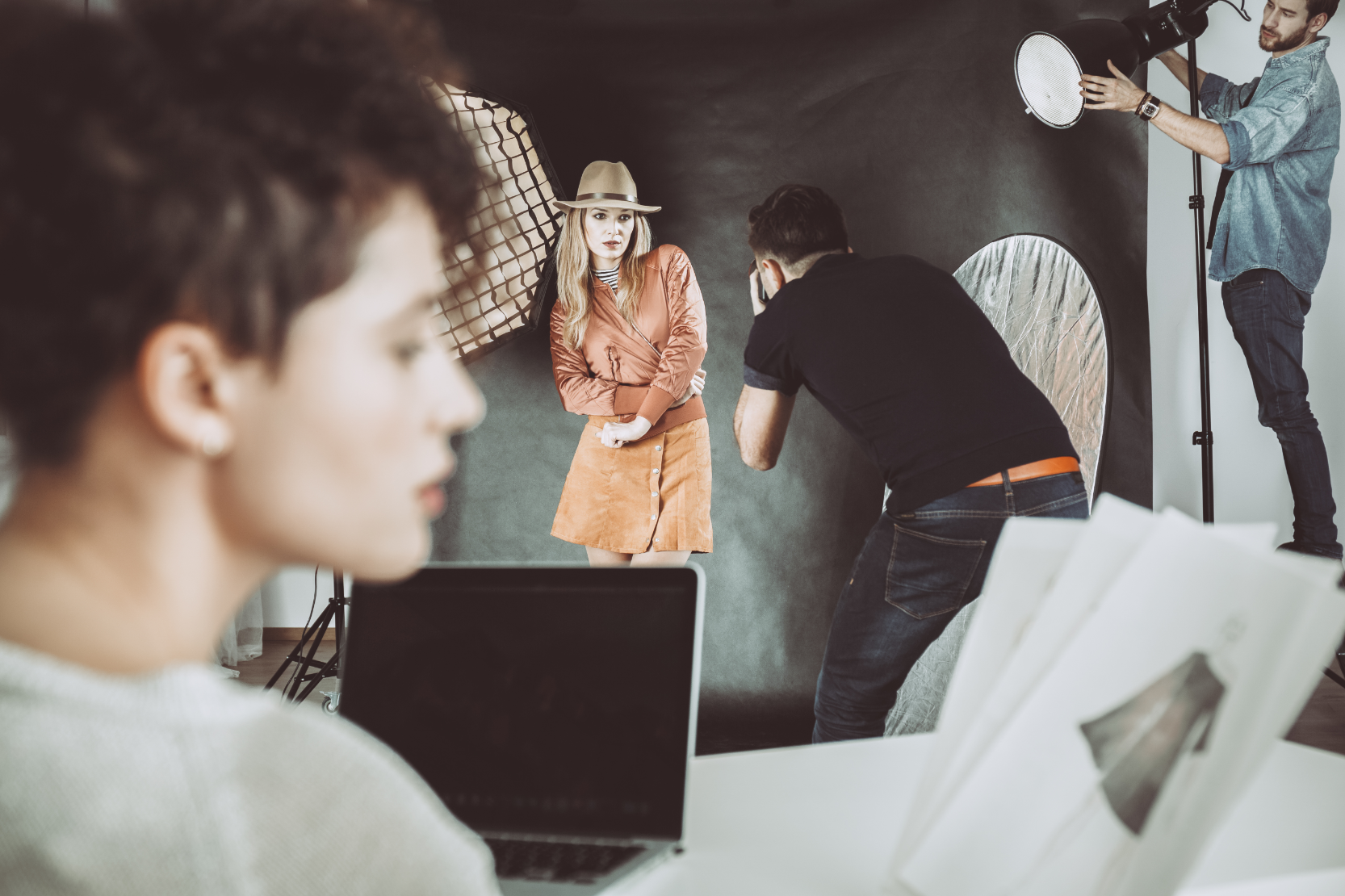
Achieving specific light qualities requires a mastery of modifiers and control. To create soft light, filmmakers often employ large softboxes, silks, or bounce light off a large white surface. Grids or egg crates can be added to softboxes to control spill and create a more directed, yet still soft, beam. For hard light, you might use a fresnel lens or an open-face light, often paired with barn doors to shape the beam. Understanding the inverse square law—that light intensity diminishes rapidly with distance—is also vital for controlling falloff and creating depth, allowing you to light subjects and backgrounds independently and sculpt the scene with precision.
Another crucial aspect of light character is its color temperature and the creative use of gels. Beyond simply balancing for white, colored gels (CTO for warmth, CTB for coolness, or vibrant theatrical colors) allow you to set a mood, simulate specific times of day, or enhance practical lights. A subtle amber gel can transform a sterile room into a cozy evening setting, while a touch of blue can imbue a night scene with a haunting quality. Experimenting with complementary colors in your lighting design can also create visual tension or harmony, adding another layer of sophistication to your cinematic palette.
Mastering Shadows, Negative Space, and Depth
While light illuminates, shadows define. Advanced lighting considers shadows not as an absence of light, but as a deliberate sculpting tool. The contrast ratio—the difference in intensity between the illuminated and shadowed areas—is paramount. A high contrast ratio, where shadows are deep and pronounced, can convey drama, mystery, or foreboding. Conversely, a low contrast ratio with softer shadows might suggest openness, clarity, or comfort. Learning to strategically place your key and fill lights, and understanding how they interact, allows you to meticulously craft these ratios and tell your story through light and dark.
A often overlooked but powerful technique is the use of negative fill. While positive fill adds light to shadows, negative fill (using black flags, foam core, or fabric) actively absorbs light, deepening shadows and creating more dramatic shaping. This is particularly effective for sculpting faces, adding definition to jawlines, or creating a more intense, moody atmosphere. By strategically placing negative fill, you can prevent light from bouncing into areas where you desire deeper shadows, effectively carving out your subject and separating them from the background with greater control and visual impact.
Backlight and kicker lights are also essential for adding depth and cinematic "pop." A backlight, placed behind the subject, creates a luminous rim around their edges, separating them from the background and giving a three-dimensional quality. A kicker light, positioned slightly to the side and behind, can highlight a specific part of the subject, adding dimension and flair. Mastering the intensity and placement of these lights is key to achieving a natural yet striking separation, ensuring your characters never look flat or blend into their environment. These lights are critical for adding that polished, professional look to your subjects.
Dynamic Lighting, Practicals, and Atmospheric Effects
Cinematic scenes rarely feature static subjects in static lighting. Advanced lighting involves planning for movement. Whether your camera is tracking, or your characters are moving through a space, your lighting design must adapt and evolve with the action. This often means rigging multiple lights, using dimmers to transition between looks, or employing specialized fixtures like automated lights that can track movement. Thinking through the progression of light and shadow as a scene unfolds allows you to maintain consistency and enhance the narrative impact of character journeys within a space.
Integrating and enhancing practical lights—those visible light sources within the scene like lamps, monitors, streetlights, or candles—is another hallmark of advanced lighting. Rather than just letting them exist, skilled cinematographers use practicals to motivate their key and fill lights, making the entire lighting scheme feel natural and organic. This might involve swapping out standard bulbs for more powerful ones, adding dimmers for control, or even hiding small LED fixtures near a practical to boost its output and create a more convincing effect. The goal is to make the audience believe that the ambient light in the scene is truly coming from these visible sources.
Finally, the strategic use of atmospheric elements can transform a good lighting setup into something truly magical. Haze, smoke, and fog are not merely special effects; they are tools that reveal light rays, add palpable depth to a scene, and create a dreamlike or mysterious ambiance. When light hits these particles, it becomes visible, creating striking shafts of light that punctuate the frame. Learning to control the density and movement of atmospherics, often with hazers or fog machines, can add an invaluable layer of texture and mood, making your lighting feel incredibly rich and immersive.
Conclusion
Mastering advanced lighting for cinematic film production is an ongoing journey of artistic exploration and technical refinement. It moves beyond simply illuminating a scene to actively sculpting it with light and shadow, using every tool at your disposal to enhance your storytelling. By delving into the nuances of light quality, embracing the power of shadows, and dynamically integrating practicals and atmospherics, you can unlock a new level of visual sophistication for your films. Remember, practice and experimentation are key. Don't be afraid to break the rules once you understand them. For more insights, equipment resources, or to connect with fellow filmmakers and industry professionals, be sure to visit FilmBaker and explore what we offer. We're here to support your cinematic vision every step of the way. Get in touch with us at https://www.filmbaker.com/get-in-touch.