How VFX Elevates Your Film's Visual Storytelling

In the vast canvas of filmmaking, where every frame tells a story, visual effects (VFX) have evolved far beyond mere spectacle. Once considered an optional flourish for genre films, VFX is now an indispensable tool that profoundly shapes and enhances visual storytelling across all genres. It's not just about creating explosions or fantastical creatures; it's about expanding the boundaries of imagination, conveying deeper emotions, and bringing impossible narratives to vivid life. A well-executed visual effect doesn't just look cool – it serves the story, builds worlds, and connects with the audience on a visceral level.
From the subtle enhancements that clean up a shot to the breathtaking digital landscapes that transport viewers to other realms, VFX offers filmmakers an unparalleled toolkit. Let's delve into how visual effects can truly elevate your film's visual narrative, transforming your vision from concept to captivating reality.
Crafting Unseen Worlds and Immersive Moods
The magic of cinema often lies in its ability to transport us. VFX is the primary architect of these journeys, building worlds that exist only in the imagination or recreating historical periods with breathtaking accuracy. Whether you're envisioning a dystopian future, a sprawling alien planet, or a bustling medieval city, VFX allows you to construct environments that would be impossible, impractical, or prohibitively expensive to build physically. It's about more than just backdrops; it's about creating immersive spaces that become characters in themselves, influencing the mood and tone of your entire film.
Beyond grand landscapes, VFX excels at subtle environmental storytelling. Imagine altering the time of day to reflect a character's emotional state, adding a haunting fog to underscore tension, or placing digital rain precisely where it needs to be for dramatic impact. These nuanced touches might go unnoticed by the casual viewer, yet they profoundly influence the atmosphere and emotional resonance of a scene. Planning these elements early in pre-production, with detailed concept art and storyboards, ensures that your digital environments integrate seamlessly with your live-action footage, enhancing rather than distracting from the narrative.
Enhancing Narrative and Deepening Character Arcs
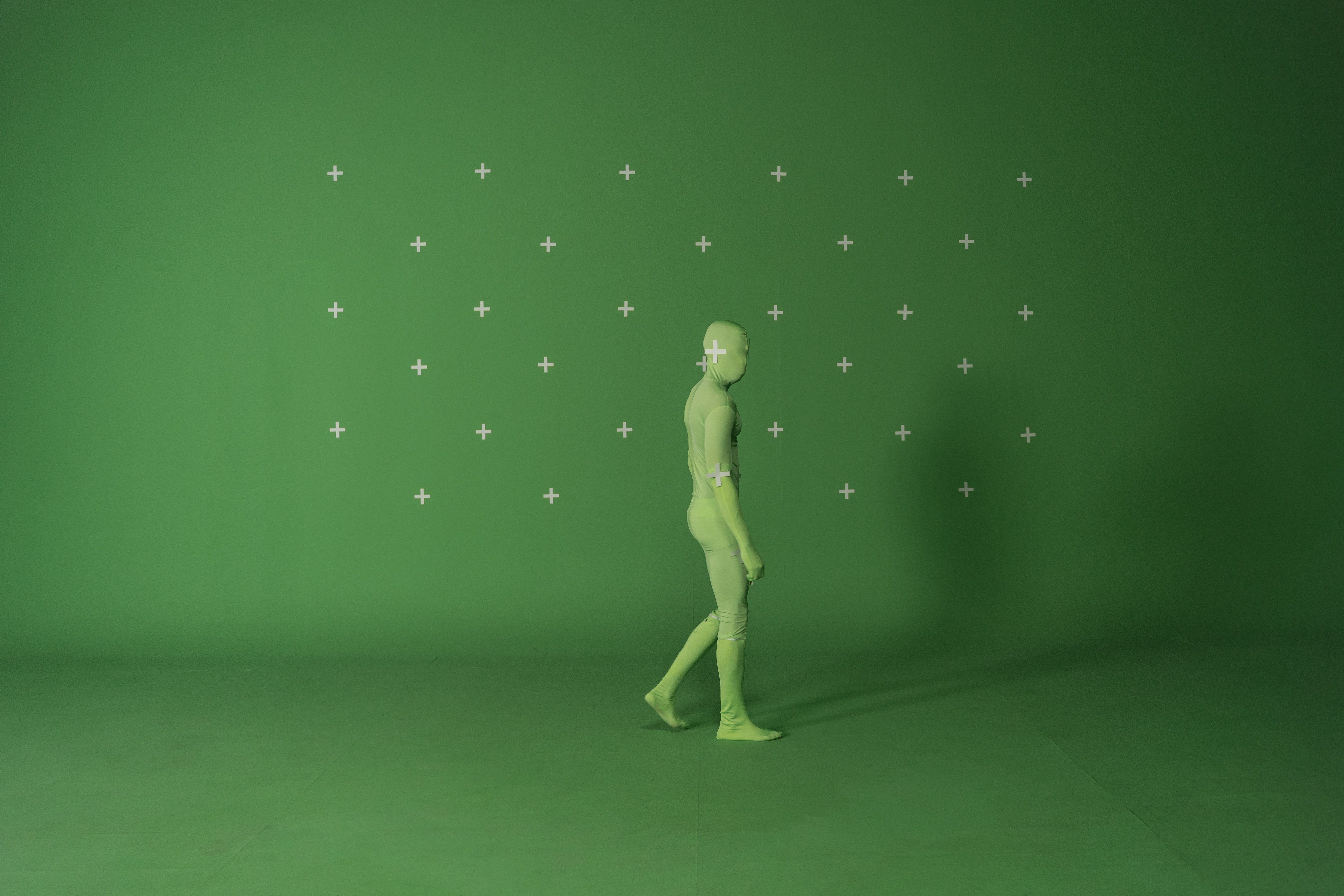
VFX isn't merely decorative; it can be deeply embedded in the narrative fabric of your film, directly advancing the plot and enriching character development. Consider character transformations, where VFX can visually manifest internal struggles or physical changes crucial to the story, like the digital metamorphosis of Gollum in The Lord of the Rings or the nuanced expressions of Caesar in Planet of the Apes. These aren't just technical feats; they are powerful narrative devices that allow audiences to connect with characters on a profound emotional level, experiencing their journeys alongside them.
Furthermore, visual effects enable filmmakers to depict events and abilities that defy the laws of physics, making the impossible believable. From superpowers and magical spells to dream sequences and altered realities, VFX opens up endless possibilities for imaginative storytelling. When used judiciously, these effects don't just "show" what's happening; they "tell" the story more effectively, often conveying complex ideas or emotions in a single, powerful visual. The key is always to ask: How does this effect serve the story? How does it deepen the audience's understanding or emotional investment?
Problem Solving and Boosting Production Efficiency
Beyond its creative applications, VFX is an incredibly powerful practical tool, solving myriad production challenges related to logistics, budget, safety, and time constraints. Need a massive crowd scene but only have a handful of extras? Crowd duplication VFX can populate entire stadiums. Want to shoot in a historically accurate location that no longer exists or is inaccessible? Set extensions and digital matte paintings can seamlessly blend practical sets with expansive digital environments. This not only saves immense time and money but also allows filmmakers to achieve shots that would otherwise be impossible or too dangerous to execute practically.
Think about wire removal for stunts, digital clean-up to erase unwanted boom mics or crew reflections, or even subtle digital enhancements to props and costumes. VFX can also be a crucial safety net, allowing filmmakers to achieve complex stunts or hazardous environments without putting cast and crew at risk. By integrating VFX into the planning stages, directors can unlock creative solutions to budgetary limitations and logistical nightmares, ensuring that their vision is realized efficiently and safely, without compromising on scale or quality.
The Art of Subtlety: The Power of Invisible VFX
Perhaps the most unsung hero in the VFX arsenal is the "invisible effect"—the digital work so seamlessly integrated that viewers never even realize it's there. These effects are the silent architects of visual perfection, refining every detail to create a polished, believable final image. This can include anything from subtle sky replacements to enhance a mood, digital make-up to perfect an actor's appearance, or meticulously compositing multiple takes to create one flawless performance. It’s about ensuring continuity, fixing mistakes, and generally elevating the production value without drawing attention to the digital wizardry involved.
Invisible VFX plays a critical role in enhancing realism and consistency. Imagine a scene shot on a cloudy day that needs to match sunny exteriors, or removing modern elements from a period piece. These seemingly minor adjustments drastically improve the overall visual quality and immersion, allowing the audience to remain fully engrossed in the story without visual distractions. Embracing invisible VFX is about understanding that sometimes, the most powerful effects are the ones you don't notice, but whose absence would profoundly diminish the film's impact.
Conclusion: Embrace the Potential of VFX for Your Story
Visual effects are no longer an add-on; they are a fundamental component of contemporary filmmaking, offering an expansive toolkit for unparalleled visual storytelling. From building entire universes and breathing life into fantastical characters to subtly enhancing mood and solving complex production challenges, VFX empowers filmmakers to transcend practical limitations and fully realize their creative visions. It's about harnessing technology to tell better, more engaging, and more emotionally resonant stories.
To truly elevate your film's visual narrative, think of VFX not as a separate post-production phase but as an integral part of your storytelling process from conception. When integrated thoughtfully and purposefully, visual effects don't just create spectacle; they build believable worlds, deepen character arcs, and ensure your audience remains captivated from the first frame to the last. Ready to explore how cutting-edge visual effects can bring your film's unique story to life? Connect with the experts at FilmBaker to discuss your project and unlock its full visual potential.