Master Future-Ready Edits: Advanced Post-Production Skills

The world of video production is dynamic, ever-evolving, and relentlessly pushing the boundaries of what's possible. What once impressed audiences with innovative camera work and captivating narratives now often falls short without an equally compelling post-production journey. In today's saturated content landscape, simply knowing how to cut clips together isn't enough; true mastery lies in the nuanced art of advanced post-production. It's about transforming raw footage into a polished, emotionally resonant, and future-ready piece of art that truly stands out.
For content creators, filmmakers, and digital storytellers alike, honing advanced editing skills is no longer a luxury but a necessity. It’s the secret sauce that elevates your work from good to exceptional, ensuring your creations captivate, communicate effectively, and maintain relevance in a rapidly changing industry. This post will delve into critical advanced post-production skills that will not only future-proof your editing prowess but also unlock new levels of creative expression.
Beyond Basic Cuts: The Art of Seamless Storytelling
At its heart, editing is storytelling, and advanced editing takes this principle to another level. It’s not just about assembling shots in chronological order; it’s about crafting a narrative rhythm, manipulating pace, and guiding the audience's emotional journey with precision. This requires an understanding of film language that goes far beyond basic cuts, delving into the subtle yet powerful techniques that make a sequence flow effortlessly and resonate deeply.
Mastering seamless transitions and narrative manipulation is key. Consider the nuanced power of J-cuts and L-cuts, where audio from an upcoming or previous scene bleeds into the current one, creating smooth, organic transitions and layering dialogue or sound effects. Explore match cuts, where a visual element from one shot transitions seamlessly into a similar element in the next, linking disparate ideas or locations. Delve into montage editing to compress time, convey complex emotions, or build thematic connections. Furthermore, understanding how to intentionally manipulate the chronological order of events through non-linear storytelling can create powerful dramatic irony, suspense, or emotional impact.
To put this into practice, we recommend actively studying the works of master filmmakers, analyzing how they use editing to build tension, evoke specific emotions, or establish character. Experiment with pacing in your own projects: try cutting a scene in multiple ways—fast, slow, fragmented—to understand how shot duration and sequence flow impact viewer perception. Always ask yourself: does this cut serve the story? Does it enhance the emotional arc? Every edit should be a conscious decision, propelling the narrative forward with intention and artistry.
Visual Polish & FX: Elevating the Aesthetic
In an increasingly visual world, the aesthetic quality of your video can make or break its impact. Advanced post-production skills in visual polish, including sophisticated color grading and judicious use of visual effects (VFX) and motion graphics, are crucial for achieving a professional, cinematic look. These techniques don't just correct imperfections; they become powerful narrative tools, shaping the mood, tone, and overall impression of your work.
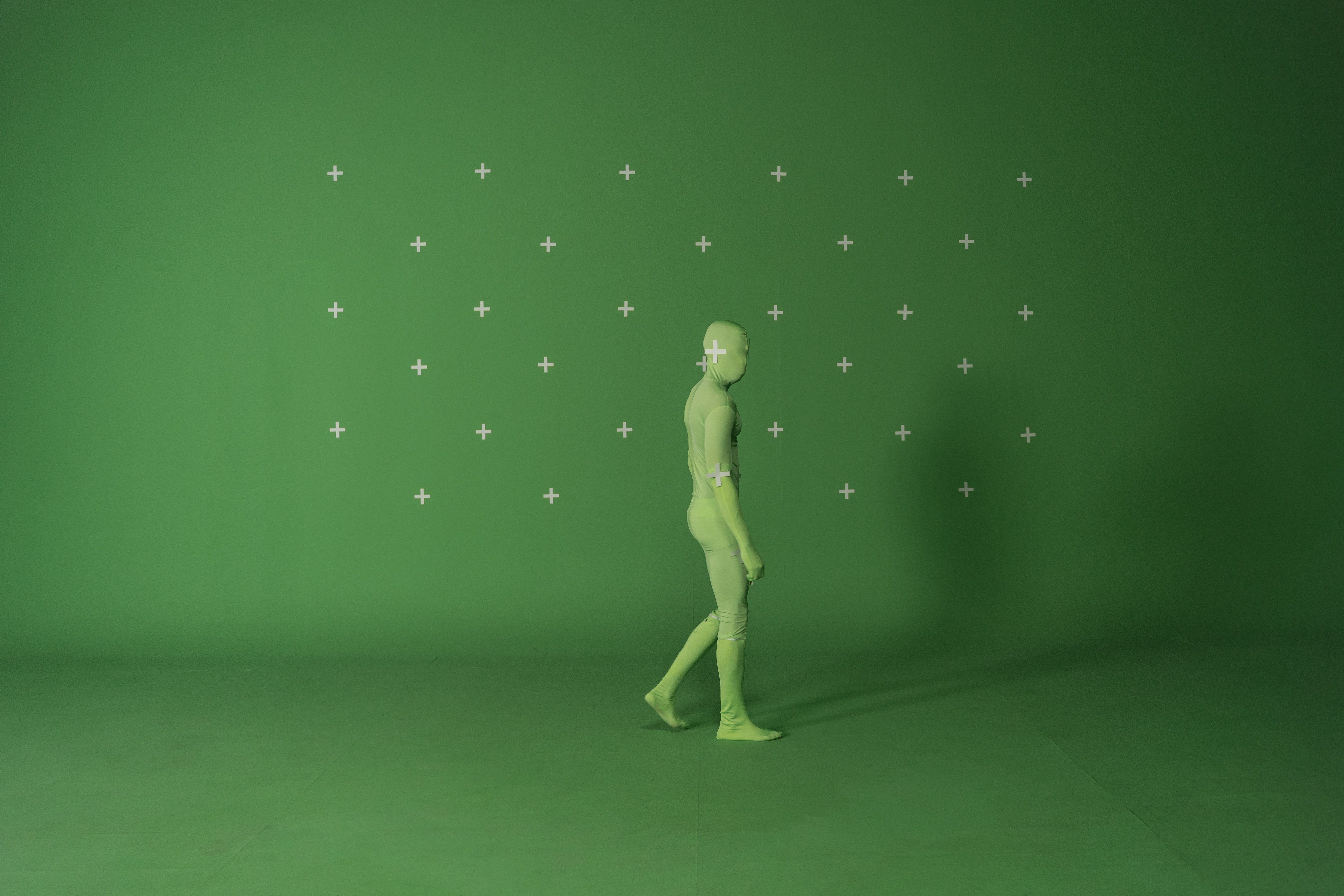
Color grading, for instance, moves beyond simple color correction. It's about using color to evoke specific emotions, establish time of day, or define character arcs. Mastering advanced tools like scopes for precise color analysis, secondary corrections for targeted adjustments (e.g., skin tones, specific objects), and the creative application of Look-Up Tables (LUTs) can transform raw footage into a vibrant, stylized masterpiece. Beyond color, basic VFX skills such as removing unwanted elements (boom mics, wires), screen replacement, or simple compositing for layered effects can significantly enhance production value without requiring a Hollywood budget. Additionally, well-designed motion graphics for titles, lower thirds, and animated infographics can elevate information delivery and visual appeal.
To develop these skills, delve deep into your chosen editing software's advanced color grading panels (like DaVinci Resolve or Adobe Premiere Pro’s Lumetri Color). Understand color theory—how complementary and analogous colors interact, and their psychological associations. For VFX, practice tracking and masking techniques to achieve clean, seamless composites. For motion graphics, explore dedicated software like Adobe After Effects to create dynamic and engaging visual elements. The goal is not just technical proficiency, but also a keen eye for how visual elements contribute to the overall storytelling and aesthetic integrity of your project.
The Power of Sound: Audio Design & Mix
While visuals often grab initial attention, it's the audio that truly immerses the audience and deepens the emotional connection. Often underestimated, sound is arguably 50% of the cinematic experience; a stunning visual can be ruined by poor audio, while expertly crafted sound design can elevate even simple footage into something profound. Advanced audio post-production skills are essential for creating truly immersive and professional-grade content.
Key techniques involve meticulous dialogue editing, where noise reduction, precise equalization (EQ), and careful level matching across different takes ensure every word is clear and consistent. Sound effects (SFX) move beyond generic libraries; it’s about layering foley sounds for realistic textures (footsteps, clothing rustles), designing unique sounds for specific actions, and using atmospheric sounds (ambience) to build convincing environments. Music integration is another art form, requiring an understanding of how scores affect pacing and emotion, knowing when to allow music to swell, fade, or drop out entirely to serve the narrative.
Finally, mastering the audio mix involves balancing all these elements—dialogue, music, and sound effects—so that each component has its own space and contributes to the overall clarity and impact. Advanced use of compression, reverb, and delay can add depth, dimension, and professional polish. To improve, invest in quality headphones or studio monitors and learn about acoustic treatment for your workspace. Practice using advanced audio plugins for noise reduction and spectral editing, and pay close attention to the intricate sonic landscapes of the real world. Experiment with creating entire soundscapes that tell a story without any visuals, and you’ll truly grasp the power of sound design.
Conclusion: Future-Proofing Your Post-Production Prowess
In the fast-paced world of digital content creation, mastering advanced post-production skills is no longer optional; it's a fundamental requirement for anyone looking to create compelling, professional, and future-ready video content. From the subtle art of seamless storytelling and the intricate layers of visual polish and effects, to the immersive power of sophisticated sound design, these skills collectively transform raw footage into captivating narratives that resonate deeply with audiences.
The journey to becoming an advanced editor is one of continuous learning, adaptation, and creative exploration. As technology evolves and audience expectations rise, staying ahead means constantly pushing the boundaries of what you can achieve with your tools and your artistic vision. Embrace new software, experiment with innovative techniques, and never stop refining your craft.
For projects that demand nothing less than excellence, partnering with seasoned professionals can elevate your vision. Discover how FilmBaker can transform your ideas into cinematic realities, leveraging cutting-edge expertise in all aspects of production and post-production to deliver unparalleled quality. Reach out to us today to discuss your next project and unlock its full potential: https://www.filmbaker.com/get-in-touch