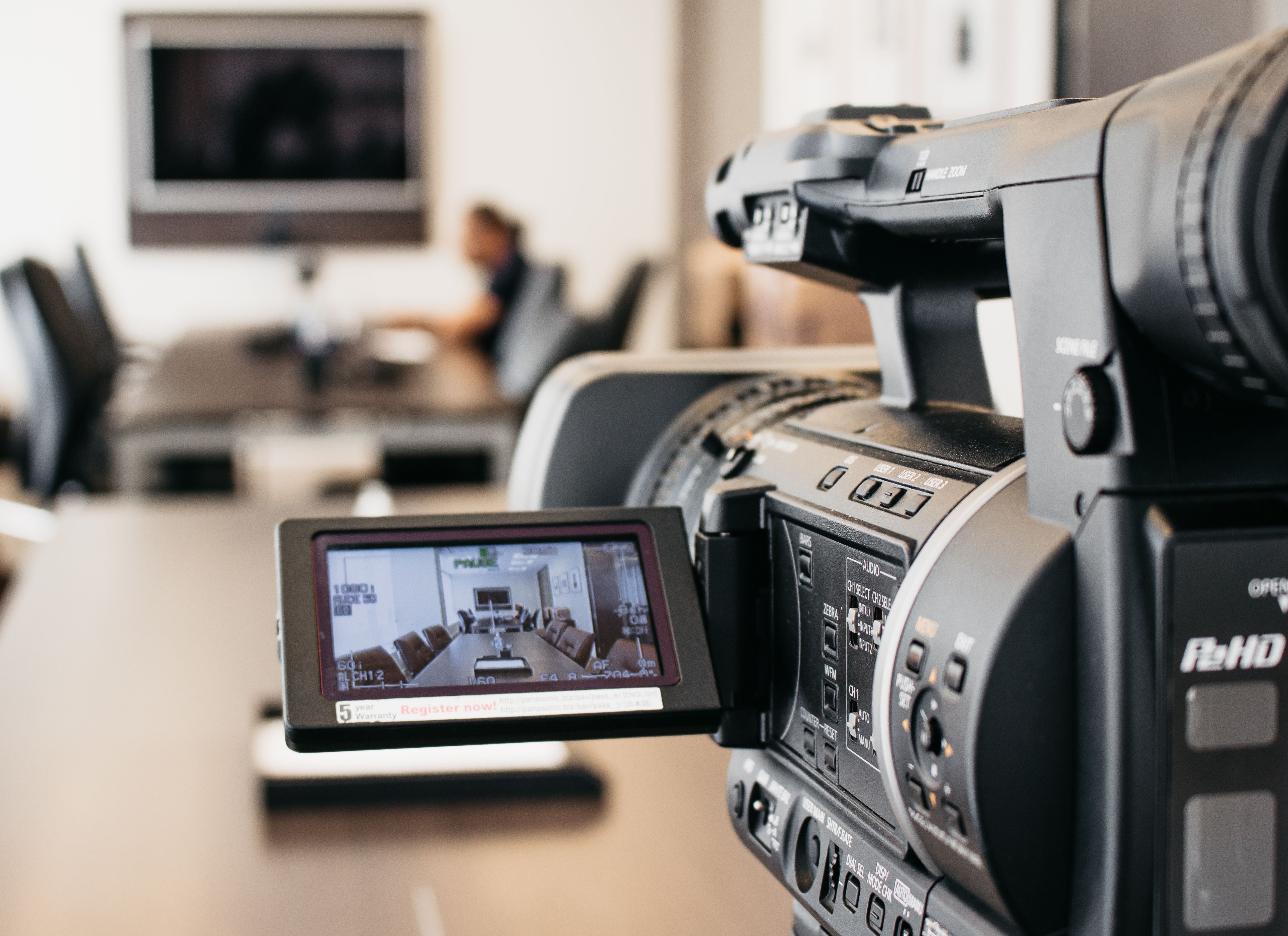
Master Modern Film Production: 5 Cutting-Edge Strategies.

The landscape of film production is evolving at an exhilarating pace. Gone are the days when traditional methods were the only path to cinematic glory. Today, breakthroughs in technology, workflow innovation, and a globalized approach are redefining what's possible, empowering filmmakers to tell stories with unprecedented creativity and efficiency. If you're looking to not just keep up, but truly lead in this dynamic industry, understanding and implementing cutting-edge strategies is paramount.
At FilmBaker, we're passionate about equipping you with the knowledge to navigate this exciting new era. Here, we delve into five pivotal strategies that are shaping the future of film production, offering practical insights to help you master modern filmmaking.
1. Leveraging Virtual Production & Real-time Workflows
Virtual Production (VP) is arguably the most transformative shift in recent film history. Moving beyond traditional green screens, VP utilizes LED volumes, real-time game engines like Unreal Engine, and camera tracking to create immersive digital environments that actors interact with live on set. This revolutionary approach allows filmmakers to visualize complex scenes, make immediate creative decisions, and achieve final pixel visuals during principal photography, significantly reducing post-production time and costs.
The real-time nature of VP workflows fosters unparalleled collaboration between departments. Directors, cinematographers, production designers, and VFX artists can all see and refine the final shot together, eliminating many costly reshoots and miscommunications. This isn't just for blockbuster sci-fi; VP can be scaled for independent features, commercials, and even music videos, offering immense creative control and flexibility for projects of all sizes.
- Practical Tip: Start small. Experiment with virtual scouting tools or pre-visualization using accessible game engines to familiarize your team with real-time environments before committing to a full LED volume setup. Seek out studios offering VP stages, many of which are now more accessible to a wider range of productions.
2. Harnessing AI & Machine Learning for Efficiency
Artificial Intelligence (AI) and Machine Learning (ML) are no longer just concepts from science fiction; they are powerful tools being integrated across the entire film production pipeline. From pre-production to post-production, AI can automate tedious tasks, enhance creative processes, and provide invaluable insights.
In pre-production, AI can assist with script analysis to identify character arcs, pacing issues, or even predict audience reception. During post-production, AI-powered tools can significantly speed up tasks like rotoscoping, color grading, de-noising footage, and even generating placeholder visual effects. Generative AI is also beginning to aid in concept art creation and even initial script drafts, freeing up human creatives to focus on refinement and innovative storytelling.
- Practical Tip: Explore AI-powered transcription services for dailies, which can save hours in post. Look into AI-driven software for basic editing tasks or content generation prompts to kickstart brainstorming sessions. Keep an eye on evolving tools for automated facial tracking or object removal to streamline VFX work.
3. Embracing Cloud-Based Collaboration & Remote Workflows
The pandemic accelerated a trend that was already underway: the shift towards more flexible, cloud-based, and remote production models. Modern film production teams are increasingly global, with talent and specialists collaborating from different cities, countries, and even continents. Cloud computing makes this not just possible, but highly efficient.
Secure cloud platforms enable seamless sharing of large media files, real-time editing collaboration, and synchronized project management. This decentralization allows productions to tap into a wider pool of global talent, reduce travel costs, and maintain continuity even when physical presence isn't feasible. Asset management, version control, and secure access are all managed centrally, ensuring everyone is working on the most current and correct files.
- Practical Tip: Invest in robust, industry-standard cloud storage solutions that prioritize security and offer version control. Implement strict naming conventions and folder structures. Utilize project management software with strong integration capabilities to keep remote teams aligned and on schedule.
4. Implementing Data-Driven Audience & Distribution Strategies
In today's crowded content landscape, simply making a great film isn't enough; you also need to ensure it reaches its intended audience. Data analytics, once primarily the domain of marketing, is now a crucial tool for filmmakers from conception through distribution. Understanding audience demographics, viewing habits, and content preferences can inform creative decisions and significantly impact a film's success.
From analyzing existing market trends to identifying niche audiences for crowdfunding, data provides actionable insights. Post-production, data helps optimize distribution strategies, pinpointing the most effective platforms, release windows, and marketing channels. This scientific approach maximizes reach, engagement, and ultimately, return on investment for any production.
- Practical Tip: Before production, research the market for similar films and analyze their performance data. Use social media analytics to identify potential fan bases and target specific demographics for your marketing campaigns. During distribution, closely monitor viewer data and engagement metrics to refine your outreach.
5. Prioritizing Sustainable & Green Production Practices
As environmental awareness grows, sustainable production is no longer a niche concern but a vital responsibility for the entire industry. Modern film production is actively adopting eco-friendly practices to minimize its carbon footprint and promote a healthier planet. This includes everything from energy-efficient lighting and renewable power sources on set to waste reduction programs and responsible material sourcing.
Beyond the ethical imperative, green production often leads to significant cost savings in the long run through reduced energy consumption and waste management. It also enhances a production's public image and can be a powerful selling point for attracting talent, investors, and environmentally conscious audiences. Embracing sustainability showcases a forward-thinking and responsible approach to filmmaking.
- Practical Tip: Appoint a "Green Steward" on your team. Implement a comprehensive recycling and composting program on set. Opt for LED lighting, rechargeable batteries, and local catering. Source props and costumes from vintage stores or hire them, and minimize single-use plastics wherever possible.
Conclusion
The future of film production is dynamic, innovative, and incredibly exciting. By embracing virtual production, leveraging AI, streamlining collaboration with cloud-based workflows, making data-driven decisions, and committing to sustainable practices, filmmakers can unlock new levels of creative freedom, efficiency, and impact. These strategies aren't just about technological adoption; they're about fostering a more adaptable, intelligent, and responsible approach to storytelling.
At FilmBaker, we're dedicated to helping you navigate this evolving landscape and achieve your cinematic ambitions. Ready to discuss how these cutting-edge strategies can elevate your next project? We're here to help you turn your vision into reality. Get in touch with FilmBaker today and let's craft the future of film together.