Ready for Next-Gen Film? Master 3D & VFX Skills

The silver screen has always been a canvas for imagination, but never before has that canvas been so vibrantly, limitlessly alive. From sprawling alien landscapes to breathtaking historical recreations, the modern cinematic experience is increasingly defined by the seamless integration of 3D and Visual Effects (VFX). What once felt like a specialized niche reserved for Hollywood blockbusters has now become an indispensable toolkit for filmmakers across all genres and budgets. If you're serious about forging a career in the ever-evolving world of film, understanding and mastering 3D and VFX isn't just an advantage—it's fast becoming a necessity.
The industry is in a perpetual state of innovation, constantly pushing the boundaries of what's possible visually. Audiences, too, have developed a sophisticated palate, expecting immersive and visually rich narratives. This shift means that whether you aspire to be a director, cinematographer, editor, or even a producer, a solid grasp of these digital arts will empower you to communicate your vision more effectively, troubleshoot production challenges creatively, and ultimately, tell more compelling stories. It's time to equip yourself with the skills that will define the next generation of cinematic excellence.
The Visual Revolution: Why 3D & VFX Are Non-Negotiable
Walk into any cinema today, and you'll be hard-pressed to find a film—from superhero epics to intimate dramas—that doesn't leverage 3D or VFX in some capacity. The days when visual effects were exclusively for fantastical creatures or exploding spaceships are long gone. Today, VFX artists are crafting subtle enhancements that blend seamlessly into the narrative fabric: expanding practical sets with digital extensions, digitally augmenting stunts for safety, removing unwanted elements from a shot, or even creating entire digital characters that are indistinguishable from their live-action counterparts.
Consider the impact. A period piece can accurately recreate historical cityscapes or ancient artifacts without the prohibitive cost of physical construction. An independent film director can envision and execute complex sequences that would have been impossible just a decade ago on a modest budget. The ability to manipulate and enhance reality through digital means offers unparalleled creative freedom, transforming limitations into opportunities. It's not about replacing practical filmmaking, but rather expanding its capabilities, allowing filmmakers to achieve their grandest visions without compromise. This evolution is democratizing storytelling, enabling more diverse voices to bring their unique worlds to life.
Moreover, the integration of real-time 3D engines, like Unreal Engine and Unity, into virtual production workflows is revolutionizing how films are made on set. Directors can now visualize digital environments and characters live through cameras, making creative decisions in real-time, reducing the need for extensive reshoots and enhancing collaboration between departments. This fusion of gaming technology and filmmaking isn't just a trend; it's a foundational shift in production methodology, demanding a new breed of filmmakers who understand both the creative and technical aspects of these powerful tools.
Demystifying the Toolkit: Essential 3D & VFX Skills
Diving into the world of 3D and VFX might seem daunting given the vast array of software and techniques available. However, at its core, the discipline relies on a set of fundamental skills that, once mastered, open up endless creative possibilities. Think of it as learning the grammar of a new visual language. Essential areas include 3D Modeling (creating digital objects and characters using software like Autodesk Maya, Blender, or Cinema 4D), Texturing and Shading (giving those models realistic surfaces and materials with tools like Substance Painter or Mari), and 3D Animation (bringing models to life through keyframe animation or motion capture).
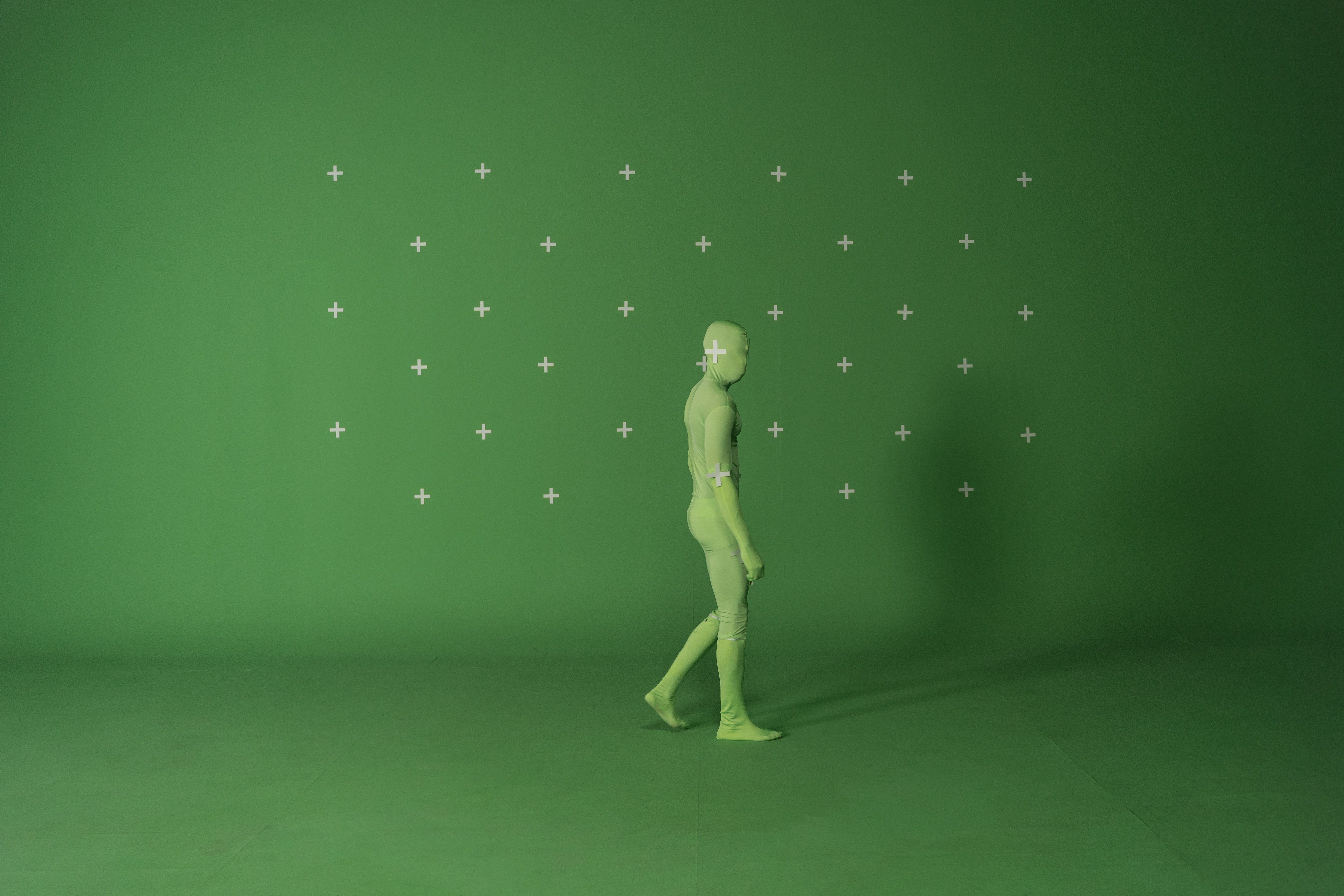
Beyond creating elements in 3D, integrating them seamlessly into live-action footage is crucial. This is where Compositing comes in, the art of blending multiple visual elements into a single, cohesive image using software like Foundry Nuke or Adobe After Effects. It involves tasks like rotoscoping, keying (green/blue screen removal), color grading, and integrating elements so they feel like they belong in the same world. Equally vital is Tracking and Matchmoving, which involves analyzing camera movement from live-action plates to accurately place 3D objects and effects into the scene, ensuring they stick perfectly. Tools like PFTrack, 3DEqualizer, or Mocha are indispensable here.
Finally, making digital creations look believable requires a deep understanding of Lighting and Rendering. Sophisticated renderers like Arnold, Redshift, or V-Ray simulate how light interacts with surfaces, creating realistic shadows, reflections, and atmospheric effects. This stage is where all the prior work comes together to achieve photorealism or a desired stylized aesthetic. While technical proficiency is paramount, don't underestimate the importance of foundational artistic skills. A keen eye for composition, color theory, anatomy, and physics will elevate your digital creations from merely technically correct to truly captivating, making your VFX work not just functional, but artful.
Your Journey to Becoming a VFX Maestro: Tips & Resources
Embarking on your 3D and VFX journey doesn't require a massive upfront investment. The digital age has democratized learning, offering numerous accessible pathways to mastery. For beginners, start with open-source software like Blender, which has evolved into an industry-standard tool for modeling, sculpting, animation, and even compositing. Couple this with DaVinci Resolve's Fusion page for powerful compositing, and you have a professional-grade suite at no cost. Utilize the wealth of free tutorials available on platforms like YouTube (channels like Blender Guru, Video Copilot, or Corridor Crew) or paid subscriptions on sites like ArtStation Learning, Gumroad, or Domestika.
Practical application is key. Don't just watch tutorials; actively follow along and then challenge yourself to apply what you've learned to small personal projects. Try to recreate a simple VFX shot from your favorite film, focusing on one specific technique like integrating a 3D object into a live-action plate, or creating a subtle environmental effect. Document your process, including any failures, as these are invaluable learning experiences. Seek feedback on your work from online communities and peers—constructive criticism is a powerful accelerator for growth. Consider collaborating on student films or independent projects to gain real-world experience and understand pipeline workflows.
As you progress, begin to specialize in an area that genuinely excites you, whether it's character modeling, creature animation, environment design, or compositing. Build a strong portfolio showcasing your best work, demonstrating both your technical prowess and your creative problem-solving abilities. Remember that the VFX industry is dynamic; new software, techniques, and AI-powered tools are constantly emerging. Cultivate a mindset of continuous learning, stay updated with industry news, and experiment with new technologies. Attending online workshops, webinars, and industry events will keep your skills sharp and your network growing, positioning you as a forward-thinking professional ready for any cinematic challenge.
Conclusion
The film industry is undeniably at an exciting inflection point, driven by the limitless possibilities offered by 3D and VFX. These skills are no longer just for the specialists behind the scenes; they are becoming fundamental competencies for anyone serious about creating compelling visual narratives in the 21st century. Mastering 3D modeling, texturing, animation, compositing, and rendering empowers you to translate imagination into reality, solve complex production challenges, and contribute to the truly transformative power of cinema.
Embrace this visual revolution. Start your learning journey today, harness the powerful tools and resources available, and begin shaping the future of storytelling. The demand for skilled 3D and VFX artists and filmmakers is only going to grow, and those who invest in these skills now will be at the forefront of the next golden age of film. Ready to take the next step in your filmmaking journey? Whether you're looking for expert guidance, collaboration, or to connect with industry professionals, FilmBaker is your resource. Explore how we can help you navigate the exciting world of next-gen film production. Get in touch with FilmBaker today!