Transform Your Shots: 5 Next-Gen Cinematography Hacks.

Transform Your Shots: 5 Next-Gen Cinematography Hacks
The world of filmmaking is in a constant state of evolution, with new technologies and creative approaches emerging at breathtaking speed. For cinematographers, staying ahead means not just mastering the fundamentals, but also embracing the cutting edge. Gone are the days when groundbreaking visuals were solely the domain of mega-budget productions. Today, smart application of innovative tools can elevate any project, big or small.
At FilmBaker, we're passionate about empowering filmmakers with the knowledge and resources to push creative boundaries. That’s why we’ve curated five next-gen cinematography hacks that blend advanced tech with artistic vision, designed to help you transform your shots and captivate your audience like never before. Get ready to rethink your workflow and unlock new levels of visual storytelling.
1. AI-Powered Pre-visualization & Virtual Scouting
Pre-production is the bedrock of a successful shoot, and artificial intelligence is now revolutionizing how we plan and visualize our scenes. Imagine being able to scout countless locations virtually, test various lighting setups, or even generate entire shot lists and storyboards with unprecedented speed and detail – all before stepping foot on set. AI-powered tools can analyze scripts, identify visual motifs, and even suggest camera angles that complement the narrative tone, saving valuable time and resources.
This hack isn't about replacing human creativity, but augmenting it. Tools like virtual production platforms (e.g., Unreal Engine) integrated with AI plugins allow you to build detailed 3D environments, populate them with virtual actors, and experiment with complex camera moves in a fully simulated space. You can rapidly iterate on visual concepts, identify potential challenges, and fine-tune your creative vision with precision. For independent filmmakers, this means access to high-end previz capabilities that were once out of reach, enabling more ambitious storytelling with greater confidence.
2. Dynamic Lighting with Programmable LED Arrays
Lighting is arguably the most crucial element in cinematography, shaping mood, depth, and character. While traditional lighting remains essential, next-gen cinematographers are harnessing the power of programmable LED arrays and smart fixtures to create dynamic, interactive lightscapes. Think beyond simple color changes; we're talking about pixel-mapping complex patterns, simulating natural phenomena like flickering fire or rippling water with pinpoint accuracy, or creating interactive light cues that react to sound or movement.
Devices like Aputure Nova P600c or even consumer-grade Nanoleaf panels can be integrated into your lighting design, controlled wirelessly via apps or DMX. This allows for incredibly nuanced and fluid lighting transitions that can be pre-programmed or adjusted in real-time, adding a layer of sophisticated visual storytelling that's both efficient and impactful. Imagine a character walking through a forest where dappled sunlight shifts realistically, or a futuristic cityscape with intricate, pulsing light patterns – all achieved with ease and control, adding unprecedented visual texture to your scenes.
3. Micro-Sensors & FPV Drones for Impossible Angles
Breaking free from conventional camera movement is a hallmark of modern, engaging cinematography. While traditional drones offer stunning aerials, the advent of FPV (First-Person View) drones and miniature camera rigs has opened up a whole new dimension of dynamic perspectives. FPV drones, often called "cinewhoops," can navigate incredibly tight spaces, fly through windows, and perform breathtakingly fluid, continuous takes that feel like a seamless extension of the camera operator's eye.
Beyond drones, miniature camera sensors like those found in advanced action cameras (e.g., GoPro, Insta360) can be mounted on custom rigs – on vehicles, props, or even actors' bodies – to capture unique points of view previously unimaginable. This hack is about embracing agility and immersive storytelling. By experimenting with these nimble setups, you can place your audience directly into the action, revealing details and movements that evoke a visceral connection to the narrative, making every shot feel fresh and innovative.
4. Generative AI for Visual Effects & Post-Production Magic
The post-production landscape is undergoing a profound transformation thanks to generative AI. What once required hours of painstaking manual labor can now be achieved in a fraction of the time, democratizing high-end visual effects and clean-up tasks. AI tools are becoming incredibly adept at tasks like rotoscoping, object removal, background generation, de-noising footage, and even upscaling lower-resolution video to crisp 4K or 8K.
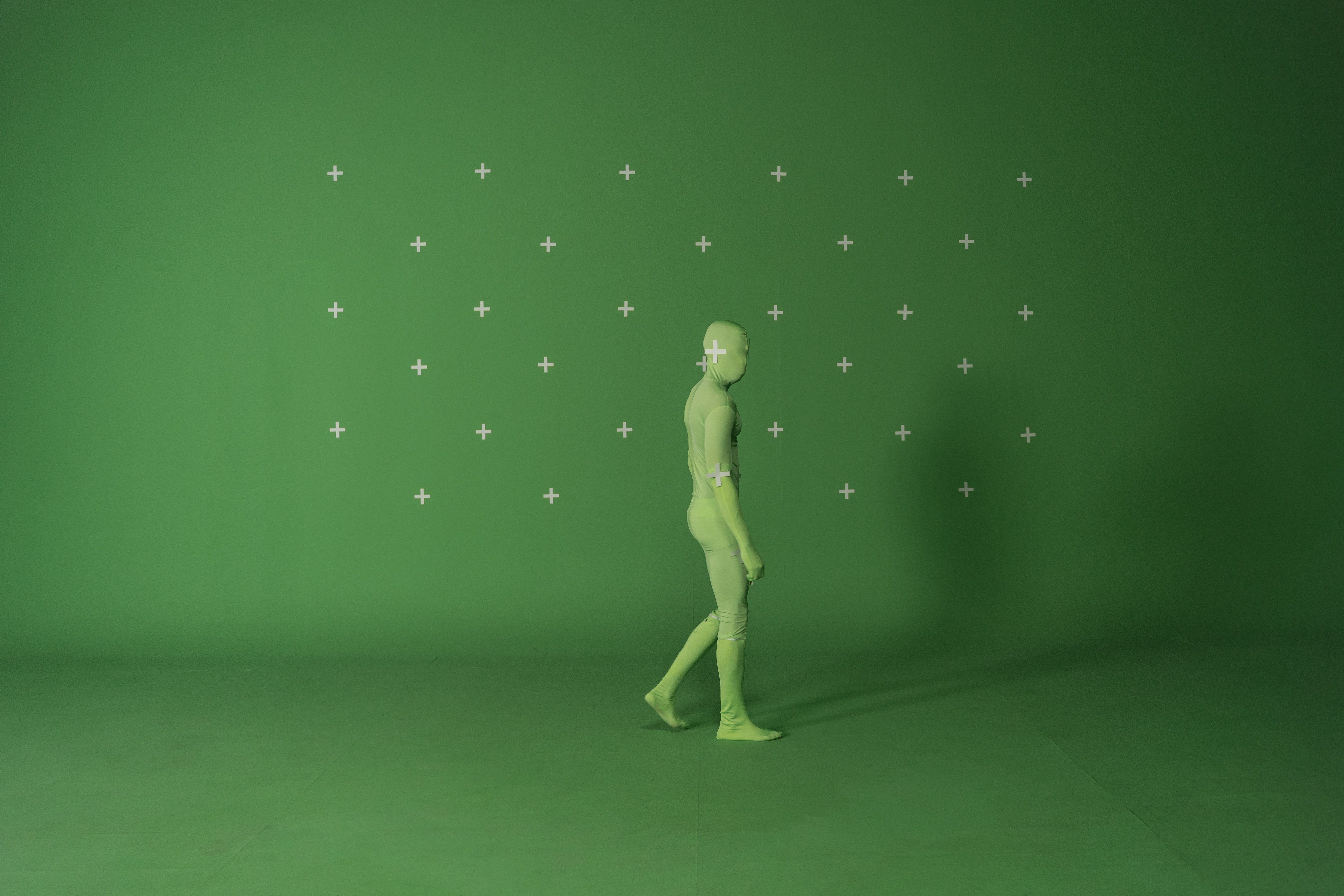
Imagine effortlessly removing a stray microphone from a complex shot, or instantly creating a convincing cityscape extension for a green-screen plate. AI-powered plugins in editing suites like DaVinci Resolve or dedicated platforms like Topaz Video AI are empowering filmmakers to achieve Hollywood-level polish without needing a dedicated VFX team. This not only speeds up your workflow but also expands your creative possibilities, allowing you to refine your visual narrative with unprecedented precision and efficiency.
5. Real-Time Color Grading with LUT Boxes & On-Set Monitors
While color grading is traditionally a post-production process, next-gen cinematographers are integrating real-time color grading into their on-set workflow. This hack involves using high-quality LUT (Look-Up Table) boxes and calibrated monitors to apply a preliminary grade to your footage as it's being shot. This isn't just about applying a simple filter; it's about seeing a near-final version of your image, complete with your intended creative look, directly on your production monitor.
This allows the director, cinematographer, and even actors to instantly understand the mood and aesthetic you're aiming for, making more informed decisions about lighting, costume, and set design in the moment. It bridges the gap between production and post, ensuring greater consistency and preventing costly surprises later. Tools like SmallHD monitors with built-in LUT support, or external LUT boxes from companies like FSI or Blackmagic Design, empower you to visualize your final artistic intent from the very first take, streamlining your entire production pipeline.
Conclusion
The future of cinematography is an exciting blend of technological innovation and timeless artistic principles. These five next-gen hacks aren't just about using fancy gadgets; they're about strategically applying cutting-edge tools to enhance your storytelling, streamline your workflow, and achieve visuals that truly captivate. By embracing AI for planning, dynamic lighting, unconventional camera movements, intelligent post-production, and real-time grading, you can elevate your craft and create cinematic experiences that stand out.
We encourage you to experiment, learn, and push the boundaries of what's possible. The tools are more accessible than ever, and the creative potential is limitless. If you're ready to discuss how these innovations can transform your next project or need guidance on integrating them into your workflow, don't hesitate to reach out to FilmBaker. We're here to help you turn your vision into stunning reality. Visit us at www.filmbaker.com/get-in-touch and let's create something extraordinary together.