Unlock Next-Level Visuals: 3D Animation Secrets Revealed.

In today's visually-driven world, captivating your audience means going beyond the ordinary. While flat images and standard video have their place, there's a powerful medium that transcends traditional boundaries and elevates storytelling to an art form: 3D animation. It’s not just for Hollywood blockbusters anymore; businesses, educators, and content creators of all kinds are harnessing its potential to explain complex ideas, create unforgettable characters, and build immersive experiences that truly resonate. But what goes into creating these stunning visuals? What are the "secrets" that transform a concept into a breathtaking 3D reality?
At FilmBaker, we live and breathe the intricacies of 3D animation, and we're thrilled to pull back the curtain just a little. Join us as we explore the fundamental principles and insider tips that can help unlock next-level visuals for your projects. Whether you're an aspiring animator, a marketer curious about the craft, or a business owner looking to understand the magic behind the screen, these insights will give you a deeper appreciation for the art and science of 3D animation.
Sculpting Reality: Understanding the Core Principles
The first "secret" to compelling 3D animation isn't about mastering complex software; it's about mastering foundational artistic principles. Think of it like building a house – a strong foundation is paramount. Before even touching a digital sculpting tool, understanding elements like anatomy (for characters), perspective, composition, and the play of light and shadow is crucial. Animators are essentially digital sculptors, directors, and cinematographers rolled into one, and a firm grasp of these traditional art concepts translates directly into more believable and visually striking 3D scenes.
Beyond artistic fundamentals, pre-production is arguably the most undervalued phase. This includes developing a strong narrative, detailed storyboards, and even animatics (animated storyboards). These planning stages serve as the blueprint for your entire project, allowing you to visualize camera angles, pacing, and character actions long before a single polygon is rendered. Investing time here saves countless hours later in the production pipeline and ensures a cohesive, well-thought-out final product. A practical tip: always gather extensive reference material – from real-world objects and environments to character expressions and movements – it’s invaluable for achieving authenticity.
The Art of Movement: Rigging & Animation
Once your models are sculpted and textured, the next challenge is to bring them to life with believable movement. This is where rigging and animation come into play. Rigging involves creating a digital "skeleton" or control system within your 3D model. This skeleton, complete with joints and inverse kinematics (IK) controls, allows animators to manipulate the model like a puppet. A well-constructed rig is fluid and intuitive, enabling animators to achieve a wide range of natural and expressive movements. A poorly made rig, however, can lead to frustrating technical hurdles and stiff, unnatural animations.
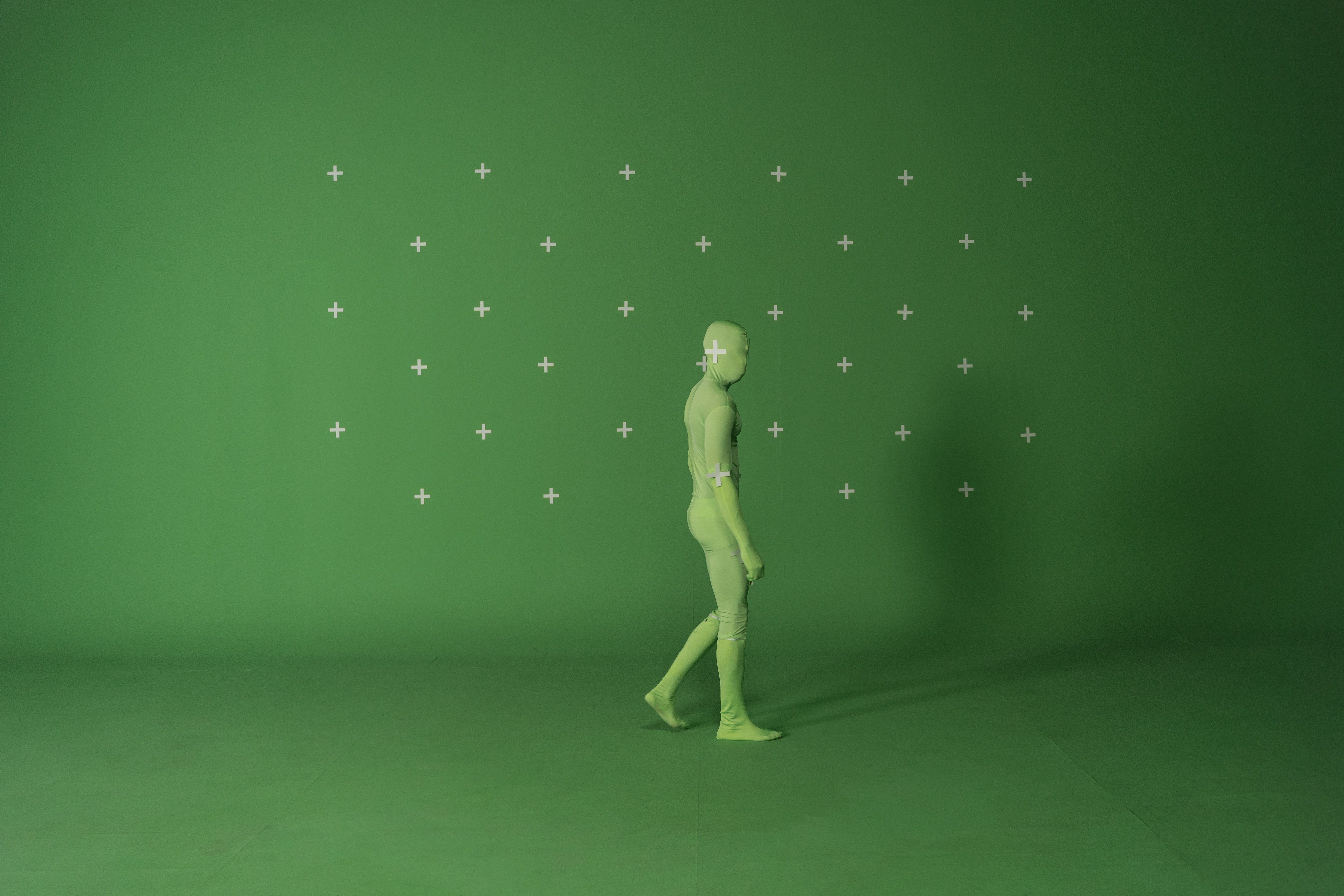
Animation itself is far more than just moving objects around. It's the art of conveying emotion, personality, and physical weight through motion. While motion capture can provide realistic base movements, the true magic often lies in keyframe animation, where animators painstakingly pose characters frame by frame. Drawing inspiration from classic animation principles, such as "squash and stretch" for exaggerated movement, "anticipation" to prepare the audience for an action, and precise "timing" to convey weight and personality, elevates animation from mere movement to captivating performance. Observation is key: study how people and objects move in the real world to inject genuine believability into your digital creations.
Crafting Immersive Worlds: Lighting, Textures & VFX
An amazing character in a bland environment falls flat. The environment, along with masterful lighting and compelling visual effects (VFX), completes the immersive experience. Lighting is a storyteller in itself; it sets the mood, directs the viewer's eye, and defines the form and depth of your 3D models. Understanding techniques like three-point lighting (key, fill, and back lights) is fundamental, but also consider atmospheric effects, volumetric lighting, and bounce light to add richness and realism. Experiment with different light sources and colors to evoke specific emotions or times of day.
Textures are the skin of your 3D world, adding intricate details, colors, and surface properties. Physically Based Rendering (PBR) workflows are now standard, ensuring that materials react to light in a realistic manner, whether it's the rough grain of wood, the reflective sheen of metal, or the subtle imperfections of skin. High-quality textures, often combined with displacement or normal maps to simulate fine surface details without increasing polygon count, are essential for convincing visuals. Finally, visual effects like particle systems (for smoke, fire, sparks), fluid simulations (for water, explosions), and cloth dynamics add an extra layer of dynamism and realism, transforming static scenes into living, breathing worlds.
The Final Touch: Rendering & Compositing for Impact
After all the modeling, rigging, animation, texturing, and lighting is complete, the final, crucial steps are rendering and compositing. Rendering is the computationally intensive process of converting your 3D scene data into 2D images or video frames. This stage can take hours, or even days, depending on the complexity of your scene, the quality settings, and the hardware used. Understanding render passes – separating elements like diffuse color, reflections, shadows, and depth information – is vital. These passes give you incredible flexibility in post-production, allowing for precise adjustments without re-rendering the entire scene.
Compositing is where the final magic happens. This is the process of combining all the rendered elements, along with any live-action footage, matte paintings, or additional 2D graphics, into a seamless final image. Compositors fine-tune colors, add lens flares, create depth of field, integrate visual effects seamlessly, and ensure that all elements appear to belong together in the same visual space. It’s where the disparate pieces come together to form the polished, cohesive vision. Mastering compositing techniques allows you to elevate good renders into truly spectacular visuals, adding that final layer of polish that makes all the difference.
Unlocking next-level visuals in 3D animation is a journey that combines artistic skill, technical expertise, and a meticulous approach to every stage of production. From foundational artistic principles and robust pre-production to the intricacies of rigging, animation, lighting, texturing, and the final polish of rendering and compositing, each step is vital. By understanding and applying these "secrets," you can create animations that not only look incredible but also tell compelling stories and leave a lasting impression.
If you're looking to harness the power of professional 3D animation for your next project, or need expert guidance to bring your visual ideas to life, the team at FilmBaker is here to help. We combine creativity with cutting-edge technology to deliver stunning results. Get in touch with us today to discuss your vision and discover how we can elevate your visuals: https://www.filmbaker.com/get-in-touch.