Achieve Cinematic FX: 5 Pro 3D & VFX Design Practices.

The magic of cinema often lies in its ability to transport us to unimaginable worlds, pitting heroes against fantastical creatures or immersing us in breathtaking landscapes. At the heart of this visual spectacle are stunning 3D and VFX (Visual Effects) shots. But achieving truly cinematic results isn't just about powerful software or raw talent; it’s built upon a foundation of disciplined practices and an understanding of how to weave visual artistry into compelling storytelling.
Whether you're an aspiring VFX artist, a seasoned 3D generalist, or a filmmaker looking to enhance your projects, mastering these professional methodologies is crucial. This post will unveil five essential practices that industry pros swear by to elevate their 3D and VFX designs from good to genuinely cinematic.
Master the Art of Observation and Real-World Reference
The most believable visual effects are often those that painstakingly mimic reality. Our brains are incredibly adept at spotting inconsistencies, and even subtle deviations from real-world physics, lighting, or material properties can break immersion. Professional VFX artists are essentially meticulous observers, constantly studying how light interacts with different surfaces, how smoke dissipates, or the subtle nuances of human movement.
Before you even open your 3D software, spend time gathering extensive reference material. This means collecting photos and videos of similar phenomena, objects, or environments from the real world. Analyze the way light bounces off a metallic surface versus a fabric, how shadows fall, or the specific way water splashes. Understanding these fundamentals allows you to make informed creative decisions, ensuring your digital creations feel grounded and authentic, even when depicting the fantastical.
Story First, Effects Second
One of the most common pitfalls for emerging VFX artists is allowing the effects to overshadow the narrative. Cinematic VFX should always serve the story, enhance character emotions, or advance the plot. If an effect is dazzling but doesn't contribute meaningfully to what's happening on screen, it risks becoming gratuitous and distracting, pulling the audience out of the experience rather than drawing them deeper in.
Before embarking on a complex effect, ask yourself: "How does this visual effect move the story forward, reveal something about a character, or establish a particular mood?" Sometimes, the most powerful effects are the subtle ones—a delicate ray of light piercing through dust, a faint reflection in a character's eye, or the way a creature's scales subtly shift with emotion. Always prioritize the emotional impact and narrative purpose over sheer spectacle.
Embrace the Iterative Process and Feedback Loops
No cinematic effect is born perfect. The journey from concept to final shot is an iterative one, filled with adjustments, refinements, and often, complete overhauls. Professional VFX pipelines are built around this understanding, with regular review sessions and constant communication between artists, supervisors, and directors. This continuous feedback loop is vital for honing a shot until it perfectly aligns with the director's vision.
Cultivate a mindset that embraces constructive criticism and views every iteration as an opportunity for improvement. Start with broad strokes, get feedback, refine, and repeat. Don't be afraid to scrap an idea if it's not working. Implementing version control for your files (e.g., using software like Perforce or even disciplined manual versioning) is also crucial, allowing you to easily revert to previous stages or explore different creative avenues without losing work.
Optimize Your Workflow and Asset Management
In the fast-paced world of film production, efficiency is paramount. A disorganized workflow can lead to wasted time, lost files, and missed deadlines. Professionals understand the importance of a streamlined process, from consistent naming conventions and well-structured project folders to efficient file formats and asset management systems. This isn't just about neatness; it's about collaboration and scalability.
Implement a clear, standardized naming convention for all your files, scenes, and assets. Organize your project directories logically, separating textures, models, animations, and renders. Learn to optimize your scenes for rendering performance and consider scripting repetitive tasks. Good asset management ensures that team members can easily locate and work with files, minimizing friction and maximizing productivity across complex projects.
Understand the Power of Compositing
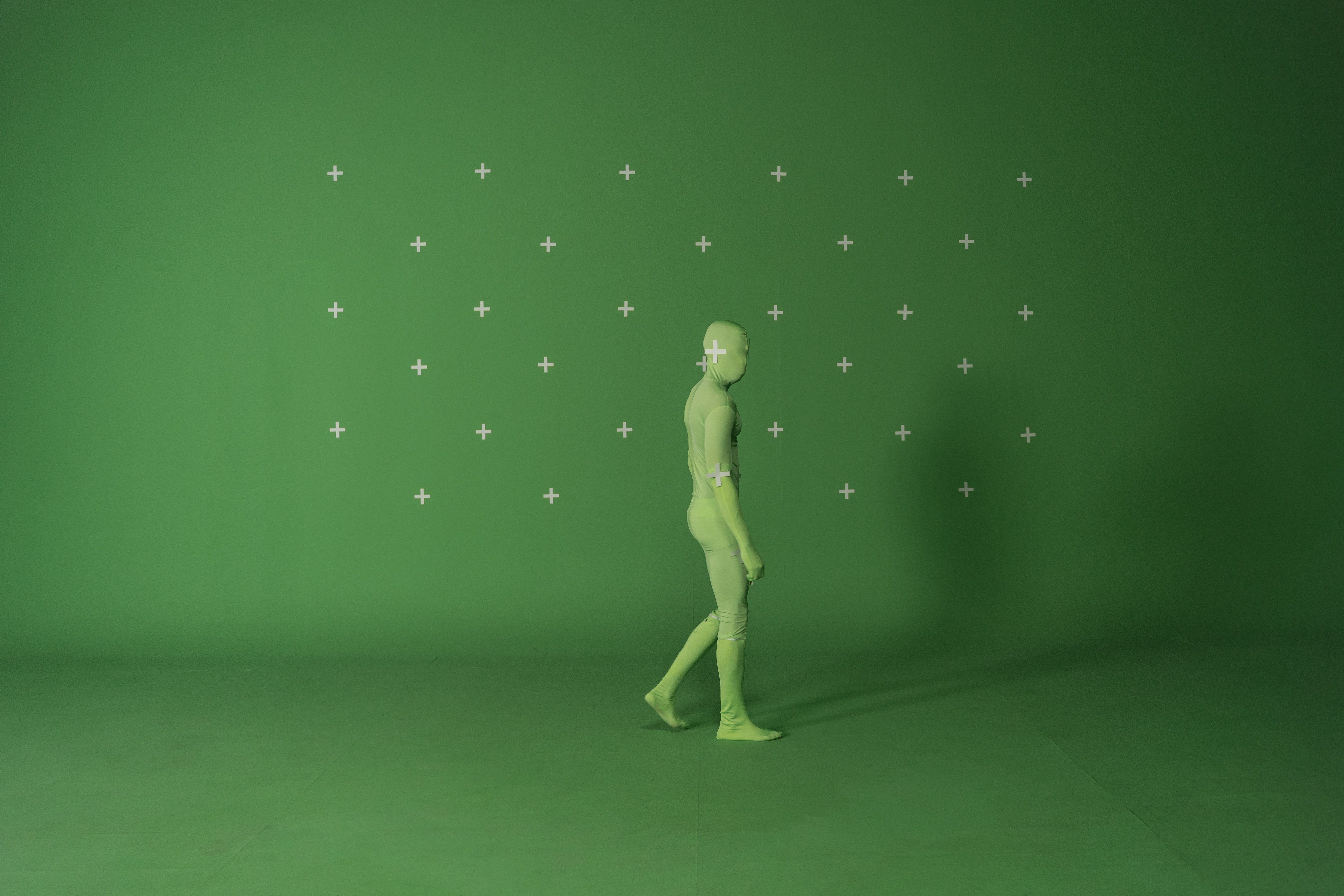
While 3D modeling, texturing, animation, and rendering are foundational, the final magic often happens in compositing. Compositing is where all the separate elements—live-action footage, 3D renders, matte paintings, 2D elements, and various render passes—are meticulously blended together to create a seamless, cohesive final image. It's the art of making disparate elements look like they were always part of the same frame.
Mastering compositing software like Nuke, After Effects, or Fusion is non-negotiable for achieving cinematic quality. Learn about render passes (diffuse, specular, normal, Z-depth, alpha, motion vectors, etc.) and how to leverage them for maximum control. Pay close attention to color grading, light wrapping, edge blending, motion blur integration, and film grain addition. These subtle but powerful techniques are what truly integrate your digital elements into the live-action plate, making them indistinguishable from reality.
Achieving cinematic FX isn't a secret art; it's the result of diligent practice, a keen eye, a disciplined workflow, and a commitment to storytelling. By integrating these five professional practices into your 3D and VFX design process, you’ll not only elevate the quality of your work but also develop the robust skills that define industry leaders.
Ready to bring your cinematic visions to life or need expert consultation on your next project? Connect with FilmBaker, where our team understands the intricate balance of artistry and technical precision required for truly impactful visual effects. Visit us at https://www.filmbaker.com/get-in-touch to discuss how we can help achieve your production goals.