Achieve Cinematic Impact: Advanced Production Techniques Revealed
Achieve Cinematic Impact: Advanced Production Techniques Revealed
In the vast and exciting world of filmmaking, simply capturing footage is just the beginning. To truly captivate an audience, to evoke emotion, and to leave a lasting impression, filmmakers must aspire to a higher level of artistry – achieving that elusive "cinematic impact." It’s the difference between a home video and a Hollywood masterpiece, often residing in the subtle yet profound application of advanced production techniques. Moving beyond basic framing and standard editing, true cinematic prowess emerges when you meticulously craft every visual and auditory detail. This post will delve into some key areas where advanced techniques can elevate your project from merely good to truly unforgettable.
Mastering Visual Storytelling Through Advanced Cinematography
The camera is your storyteller, and how you move it, compose your shots, and sculpt with light dictates the narrative's visual language. Advanced cinematography is about intention – every choice serving the story's emotional core and thematic depth. It's about moving past static shots and flat lighting to create a dynamic, immersive visual experience.
Beyond the Tripod: Dynamic Camera Movement
While a stable shot has its place, dynamic camera movement breathes life into a scene, guiding the viewer's eye and conveying crucial emotional information. Instead of just panning or tilting, consider the emotional weight a specific movement can carry.
- Dollies & Sliders: A slow push-in on a character can emphasize their realization or internal struggle, drawing the audience closer to their thoughts. A subtle slider move can reveal a key detail in the foreground or background, adding depth to the frame.
- Gimbals & Steadicams: These tools allow for smooth, flowing movements that immerse the audience directly into the action, mimicking a character's perspective or creating a dreamlike fluidity. Think about a tracking shot following a character through a bustling environment – it connects the viewer intimately with their journey.
- Drones: Aerial shots offer a grand, sweeping perspective that can establish scale, geographical context, or symbolize isolation or vastness. A reveal shot from high above slowly descending to ground level can be incredibly powerful for setting a mood or introducing a new location.
Practical Tip: Don't just move the camera for the sake of it. Each movement should be motivated by the story or character's emotions. Experiment with varying speeds and directions to see how they alter the audience's perception of the scene.
Sculpting with Light: Advanced Lighting Setups
Lighting is not just about making things visible; it's about shaping mood, directing attention, and revealing character. Advanced lighting moves beyond a simple three-point setup to create depth, atmosphere, and visual drama.
- Motivated Lighting: Ensure your light sources feel natural within the scene, even if they're augmented. A lamp in the background might be the "motivation" for a soft key light on your subject, creating realism.
- Negative Fill: Instead of adding light, sometimes removing it can create more dramatic effect. Using a black flag or reflector to absorb light can deepen shadows and add contrast, giving your subject a more sculpted, intense look.
- Color Gels: Beyond white light, colored gels can evoke specific emotions or time periods. A cool blue gel can suggest nighttime or sadness, while a warm orange gel might signify a sunset or coziness.
Practical Tip: Study how light falls in real-world environments. Recreate that naturalism, then subtly enhance it to serve your story. Always consider how shadows contribute to the scene's emotional tone, not just the illuminated areas.
Elevating Audio: Sound Design and Mixing for Immersion
Often underestimated, sound is arguably 50% of the cinematic experience. A truly immersive film doesn't just look good; it sounds rich, layered, and purposeful. Advanced audio production takes you beyond clean dialogue into a world where every rustle, echo, and musical note contributes to the narrative's impact.
The Unseen Force: Immersive Soundscapes
An immersive soundscape builds the world of your film, often subconsciously. It's the amalgamation of elements that make a scene feel real, vast, or claustrophobic.
- Foley: Recreating everyday sounds like footsteps, clothes rustling, or objects being handled can add incredible realism and presence to your characters and environment. The subtle creak of a floorboard can heighten tension more than any musical sting.
- Ambience: Don't just rely on static background noise. Layer specific ambiences – the distant hum of a city, the gentle chirp of crickets, the subtle roar of an ocean – to create a sense of place and depth. Varying ambient sounds within a single scene can denote changes in perspective or emotional state.
- Sound Effects (SFX): Beyond obvious explosions, consider using subtle SFX to punctuate actions, highlight details, or even generate abstract emotional responses. A sharp, quick whoosh can convey speed, while a low, sustained rumble can create unease.
Practical Tip: Think about what a character would hear. If they're alone in a vast forest, what sounds would dominate? If they're in a busy cafe, how would the clatter and chatter affect their mental state? Use sound to place the audience directly within the character's experience.
Crafting the Perfect Mix: Dialogue, Music, and SFX Balance
A well-mixed soundtrack ensures that all auditory elements – dialogue, music, and sound effects – coexist harmoniously, each serving its purpose without overwhelming the others. This balancing act is crucial for clarity and emotional impact.
- EQ & Compression: Use equalization to ensure dialogue cuts through background noise and music, making voices clear and intelligible. Compression can help control dynamic range, ensuring that quiet whispers are audible and loud shouts don't clip.
- Reverb & Delay: These effects can place sounds within a specific acoustic space. A dry, intimate sound might suggest closeness, while a heavy reverb could evoke a grand hall or a sense of isolation.
- Dynamic Mixing: Don't keep all levels static. Allow music to swell during emotional moments and recede during intimate dialogue. Let SFX peak to punctuate action, then fade. The mix should breathe with the narrative.
Practical Tip: Listen to your mix on various speaker systems (headphones, studio monitors, even a laptop speaker) to ensure it translates well across different environments. Prioritize clarity of dialogue above all else, as incomprehensible speech can instantly pull viewers out of the story.
The Art of Post-Production Polish: Color Grading and VFX
The journey to cinematic impact culminates in post-production, where the raw footage is transformed into a polished, visually stunning final product. Color grading and subtle visual effects are where the final touches are applied, cementing the film's aesthetic and emotional tone.
Painting with Light: The Power of Color Grading
Color grading is far more than just "making colors look nice"; it's a powerful storytelling tool that defines the mood, atmosphere, and even genre of your film. It can influence how an audience feels about a character or a scene.
- Establishing Mood: A cool, desaturated look can evoke a sense of bleakness or suspense, while warm, rich tones might convey nostalgia, romance, or comfort. Think about the stark, cold blues in a sci-fi thriller versus the vibrant, sun-drenched yellows of a romantic comedy.
- Visual Consistency: Grading ensures that all shots, even those taken under different lighting conditions, maintain a cohesive look and feel, creating a seamless visual journey for the viewer.
- Directing Attention: By subtly adjusting saturation, contrast, or luminance, you can draw the viewer's eye to specific elements within the frame, highlighting crucial details or characters.
Practical Tip: Use color wheels and scopes to maintain consistency and avoid "color clipping." Start with a balanced base, then experiment with primary and secondary adjustments to find the unique look that best serves your narrative. Less is often more; subtle grading can be more impactful than extreme stylization.
Seamless Integration: VFX for Enhanced Realism (or Stylization)
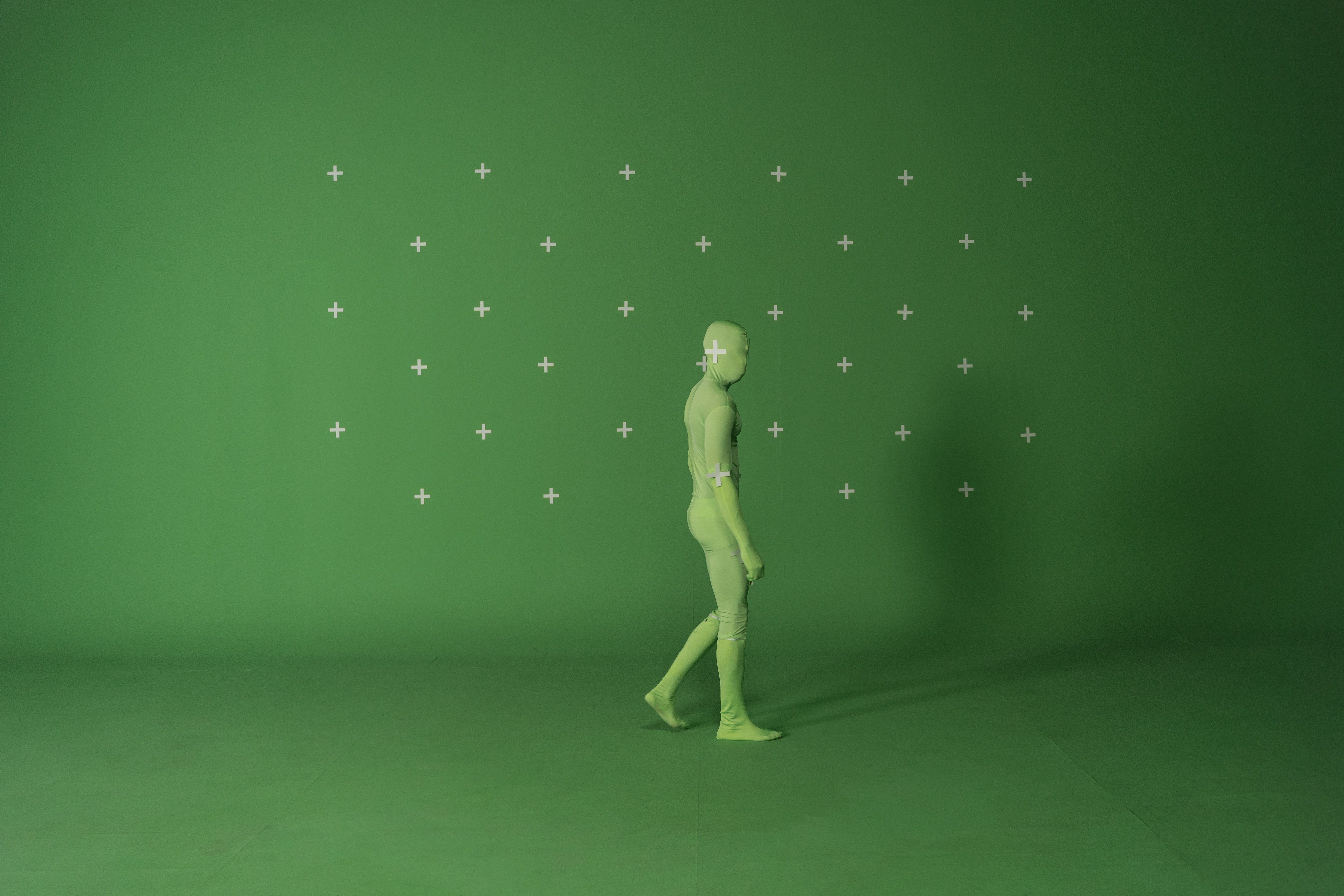
Visual effects aren't just for blockbusters with CGI monsters. When used judiciously and seamlessly, VFX can enhance realism, fix imperfections, or add subtle layers of storytelling that are impossible to achieve in-camera.
- Environmental Enhancement: Adding subtle weather effects like falling snow, mist, or rain, or extending backgrounds with matte paintings, can transform a mundane set into a grand location.
- Cleanup & Removal: Removing unwanted elements like crew reflections, power lines, or distracting blemishes can polish your shot and maintain immersion without being noticed.
- Subtle Stylization: From realistic bullet impacts to glowing magical effects, VFX can elevate key moments. The key is to make them feel integrated, not jarring.
Practical Tip: Plan your VFX shots during pre-production. The more you can achieve in-camera, the more realistic and cost-effective your VFX will be. Focus on making visual effects serve the story, not distract from it. The best VFX are often those you don't even realize are there.
Conclusion
Achieving cinematic impact is a multi-faceted endeavor, a synthesis of artistry and technical mastery across every stage of production. From the dynamic movements of the camera and the careful sculpting of light to the immersive layering of sound and the transformative power of color, each advanced technique plays a vital role in crafting a truly memorable film. It’s about being deliberate, innovative, and always asking how each choice contributes to the emotional resonance and narrative depth of your story.
Embracing these advanced techniques will undoubtedly elevate your projects and differentiate your work. The journey to mastering them is continuous, but the rewards are profound. If you're looking for partners who understand the nuances of high-level production and can help bring your cinematic vision to life, we at FilmBaker are here to help. Reach out to discuss your next project and discover how we can contribute to its unparalleled success: https://www.filmbaker.com/get-in-touch.