Future Proof Your Films: Innovations in 3D & VFX

The landscape of filmmaking is constantly evolving, driven by an insatiable quest for visual storytelling that pushes the boundaries of imagination. In this dynamic environment, 3D and Visual Effects (VFX) are no longer mere embellishments but fundamental pillars that can define a film's aesthetic, narrative depth, and overall impact. From awe-inspiring creature designs to photorealistic digital environments and seemingly impossible action sequences, innovations in 3D and VFX are not just transforming how we make movies; they’re future-proofing them. Staying ahead of the curve means understanding these advancements and integrating them strategically into your workflow.
The Real-Time Revolution: Virtual Production & Game Engines
One of the most significant shifts in modern filmmaking is the ascendance of real-time game engines like Unreal Engine and Unity. Once exclusively the domain of video games, these powerful tools are now at the forefront of virtual production, allowing filmmakers to visualize, iterate, and even render complex scenes with unprecedented speed and flexibility. This transition means directors and cinematographers can explore creative choices in a virtual space, adjusting lighting, camera angles, and set dressing on the fly, long before physical production begins. This not only streamlines the pre-production process but also fosters a more collaborative environment, empowering every department to contribute to the visual development from an earlier stage.
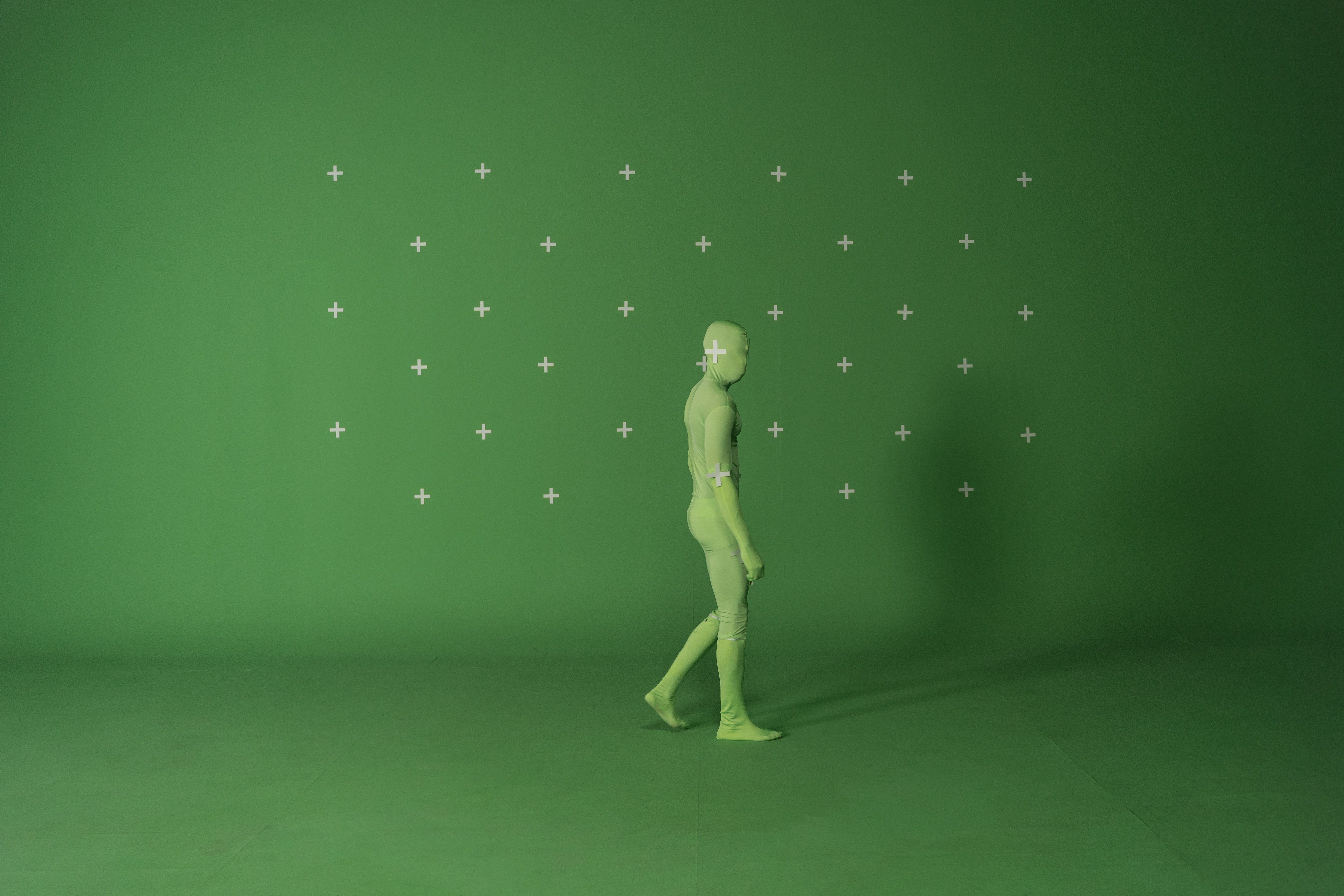
The most visible manifestation of this revolution is the use of LED volumes for in-camera VFX. Pioneered by shows like The Mandalorian, virtual production with LED walls eliminates the need for traditional green screens in many scenarios. Instead, highly detailed 3D environments rendered in real-time are displayed on massive LED screens surrounding the set, providing interactive lighting and reflections on actors and physical props. This technique dramatically reduces post-production work, offers a more immersive experience for the actors, and results in incredibly convincing final pixels captured directly in-camera. It’s a game-changer for creating fantastical worlds and dynamic backgrounds that react realistically to live-action elements.
- Practical Tip: For independent filmmakers, consider experimenting with free versions of Unreal Engine or Unity for pre-visualization. Even simple blocking and camera tests in a virtual environment can save significant time and resources during principal photography, helping you refine your vision before committing to expensive shoots.
AI and Machine Learning: Enhancing Efficiency and Creativity
Artificial Intelligence (AI) and Machine Learning (ML) are rapidly integrating into every stage of the 3D and VFX pipeline, promising to automate tedious tasks and unlock new creative possibilities. These technologies are proving invaluable for streamlining complex processes that traditionally required immense manual effort. For instance, AI-powered tools can now perform rotoscoping, clean-up work, and even de-aging with remarkable accuracy and speed, significantly reducing the labor involved in post-production. Beyond automation, AI is being used to generate realistic simulations of fluids, cloth, and crowd movements, making highly complex visual effects more accessible and efficient to produce.
The applications extend further into areas like asset creation and performance capture. AI can assist in generating intricate 3D models from simple inputs, intelligently upscale textures, or even synthesize realistic facial animations based on limited data. For character animation, machine learning algorithms can refine motion capture data, making performances more fluid and believable, or even transfer nuanced emotional expressions from one actor to a digital double. This synergy between human artists and AI tools allows creators to focus more on the artistic vision and less on the technical minutiae, freeing up time and resources for greater creative exploration.
- Practical Tip: Explore AI-driven plugins and features available in popular editing and VFX software (e.g., DaVinci Resolve's Magic Mask, specific AI roto tools). Even if you're not building custom AI models, leveraging existing AI-powered functionalities can dramatically cut down on repetitive tasks and improve the quality of your visual effects.
Volumetric Capture & Photogrammetry: Capturing Reality in 3D
Capturing the real world and bringing it into a digital space with unparalleled fidelity is another area seeing rapid innovation through volumetric capture and photogrammetry. Volumetric capture involves using multiple cameras to record a subject from all angles simultaneously, creating a truly three-dimensional, animated model of a performance. Unlike traditional motion capture, which only records skeletal data, volumetric capture captures everything – appearance, movement, and subtle nuances – allowing for a fully explorable and manipulable digital performance that can be viewed from any angle. While still a high-end technique, its applications in immersive VR/AR experiences are expanding, and its potential for film (e.g., creating digital doubles or preserving performances) is immense.
Photogrammetry, on the other hand, is becoming increasingly accessible. This technique involves taking a series of overlapping photographs of an object, person, or environment from various angles, which software then uses to reconstruct a highly accurate 3D model with realistic textures. Filmmakers are utilizing photogrammetry to create incredibly detailed digital assets, from props and costumes to entire real-world locations scanned into virtual sets. This eliminates the need to build complex 3D models from scratch for every asset, significantly speeding up production and ensuring a photorealistic foundation for digital environments and objects.
- Practical Tip: Consider using photogrammetry for creating digital assets for your films. With a decent DSLR or even a smartphone camera and accessible photogrammetry software (some free options exist), you can scan real-world objects or small environments to build incredibly detailed and realistic 3D models for your VFX shots, saving significant modeling time and costs.
Democratizing VFX: Accessibility for All Filmmakers
While many of these innovations might sound like they belong exclusively to blockbuster productions, the truth is that the tools and techniques are steadily becoming more accessible to independent filmmakers and smaller studios. The rise of cloud-based rendering services means you no longer need massive render farms to process complex VFX shots. Open-source software like Blender continues to evolve, offering professional-grade 3D and VFX capabilities completely free of charge. Furthermore, the proliferation of online tutorials, communities, and affordable training programs means that acquiring the skills to leverage these technologies is more attainable than ever before.
The focus is shifting from sheer technological prowess to creative application and understanding the potential of these tools. A compelling story combined with intelligently applied visual effects can elevate a project regardless of budget size. By embracing these advancements and integrating them thoughtfully, filmmakers can achieve production values that were once the exclusive domain of multi-million dollar productions, allowing for greater creative freedom and competitive edge in an increasingly visual market.
- Practical Tip: Dive into open-source software like Blender for 3D modeling, animation, and VFX. Utilize cloud rendering services for more complex projects to avoid investing in expensive hardware. Join online filmmaking and VFX communities to learn, share, and discover new accessible tools and workflows.
Conclusion
The future of filmmaking is intertwined with the relentless innovation in 3D and VFX. From real-time virtual production and AI-powered automation to the stunning realism of volumetric capture and photogrammetry, these advancements are not just tools; they are pathways to new creative frontiers. Future-proofing your films means understanding and strategically adopting these technologies, blending artistic vision with technological prowess to create truly unforgettable cinematic experiences. The possibilities are limitless, and the time to explore them is now.
Ready to explore how these innovations can transform your next project? Get in touch with FilmBaker today to discuss your vision and leverage cutting-edge 3D & VFX solutions: https://www.filmbaker.com/get-in-touch