Shaping Visual Stories: Pro Cinematography Insights.
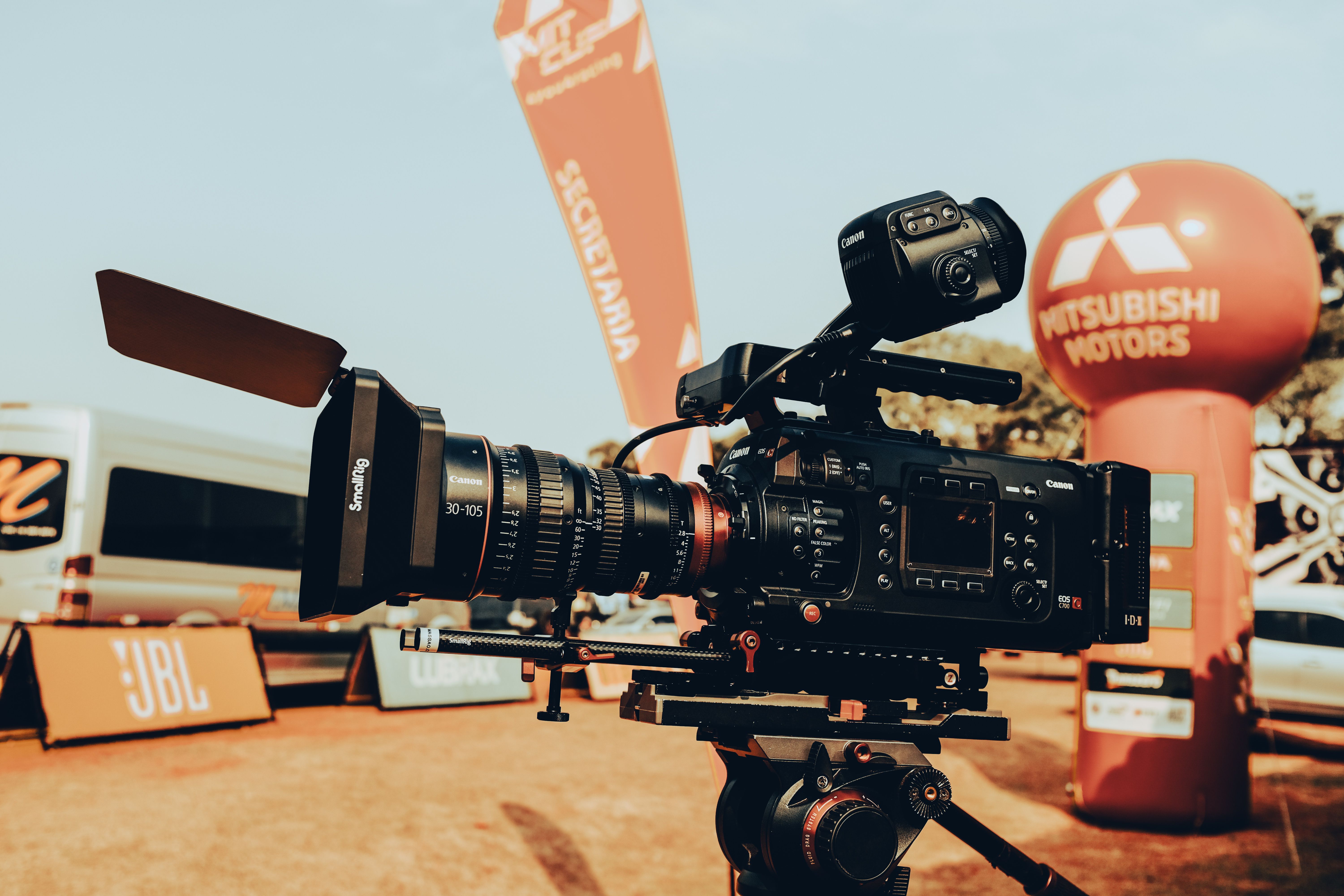
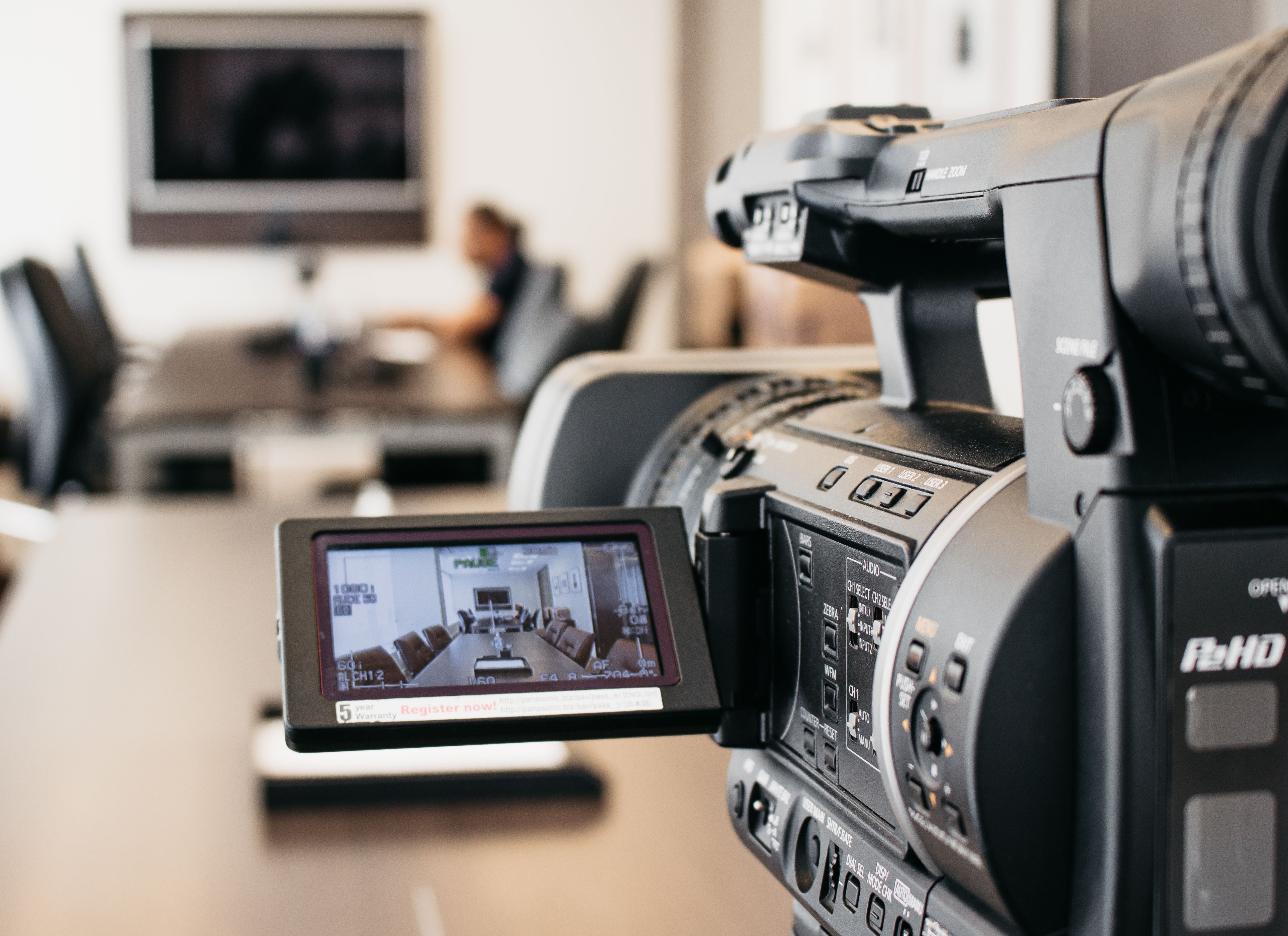
In the vast world of filmmaking, where every frame tells a story, cinematography stands as the silent poet, weaving visual narratives that captivate, move, and inspire. It’s more than just pointing a camera; it’s about shaping light, sculpting shadows, orchestrating movement, and composing images that resonate deeply with an audience. For aspiring cinematographers and seasoned filmmakers alike, understanding the nuances of professional cinematography is key to elevating your craft from simply documenting to truly storytelling. Let's delve into the insights that empower visual storytellers to create unforgettable cinematic experiences.
The Art of Light: Painting with Illumination
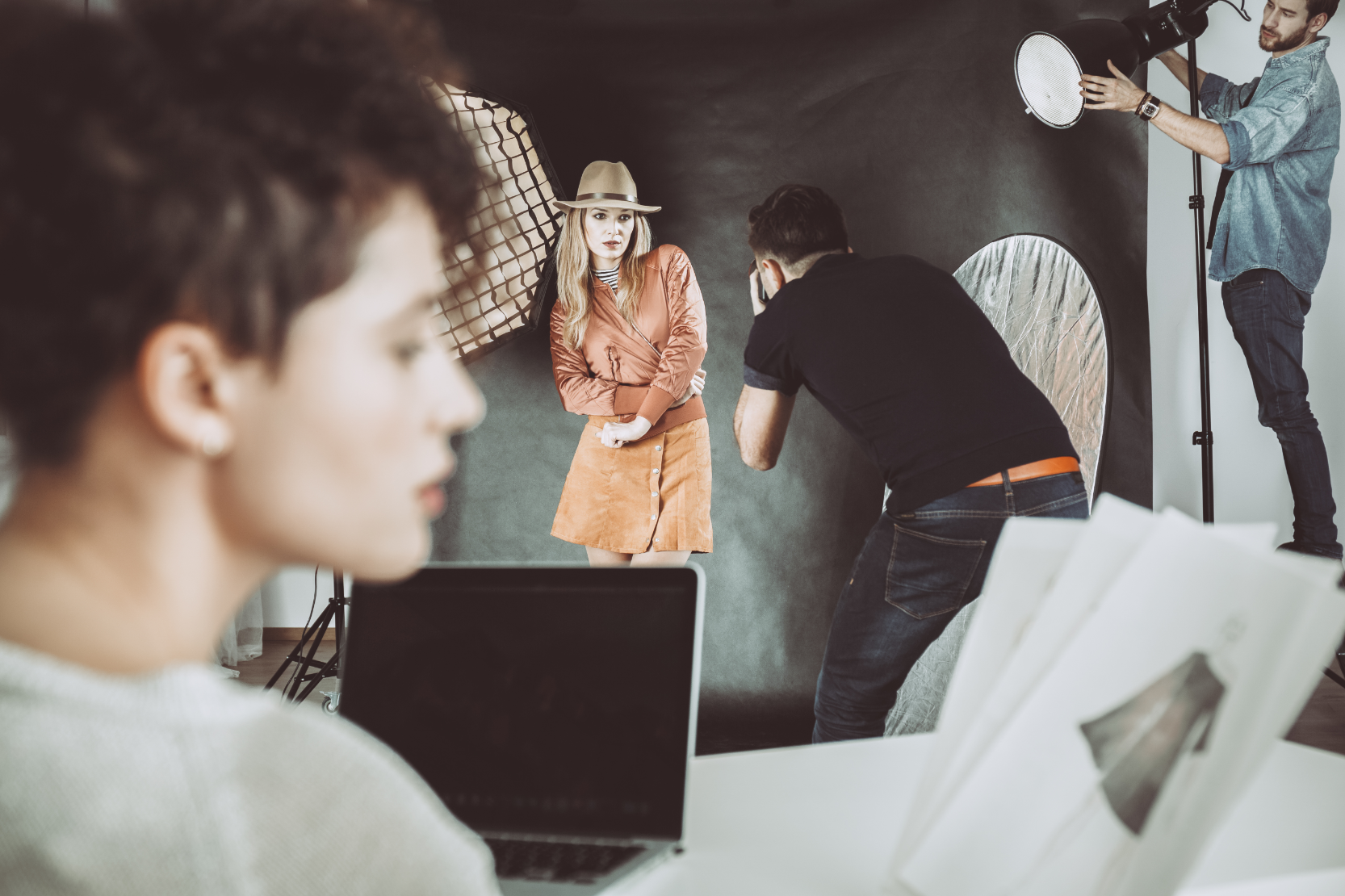
Light is the fundamental building block of cinematography. It's not just about illuminating a scene; it's about crafting mood, revealing character, and guiding the viewer's emotional journey. Pro cinematographers are masters of light, understanding its various qualities – hard versus soft, motivated versus unmotivated, high-key versus low-key – and how each choice impacts the narrative.
Think about the stark, dramatic shadows of a film noir, conveying mystery and danger through hard, directional light. Contrast that with the soft, diffused glow of a romantic drama, which bathes characters in an inviting, gentle embrace. Practical tips for harnessing light include studying how light falls in real-world scenarios, observing its direction, intensity, and color temperature. Experiment with different light sources, modifiers like diffusers and reflectors, and even the natural light available to you. Understanding these elements allows you to intentionally sculpt your scenes, making every shadow and highlight contribute to your story's emotional core.
Mastering Composition: Guiding the Viewer's Gaze
Composition is the deliberate arrangement of visual elements within the frame to create a compelling and balanced image. It's how you direct the audience's eye, emphasizing what's important and drawing connections between subjects and their environment. Professional cinematographers meticulously plan their compositions, using established principles to enhance storytelling without viewers even realizing it.
Techniques like the rule of thirds, leading lines, negative space, and symmetry are powerful tools. The rule of thirds, for instance, helps create dynamic and engaging frames by placing subjects along imaginary lines or intersections, rather than squarely in the center. Leading lines can draw the viewer's eye deeper into the frame, while negative space can emphasize isolation or contemplation. Practical advice includes experimenting with various shot sizes—wide shots to establish context, medium shots for interaction, and close-ups for emotional intimacy. Pay attention to background elements, ensuring they support, rather than distract from, your subject. Every decision in composition should serve the narrative, deepening understanding and emotional impact.
The Dynamic Camera: Movement and Emotion
A static camera can be powerful, but a moving camera adds another layer of storytelling, injecting energy, tension, or intimacy into a scene. Professional cinematographers understand that camera movement isn't just for show; it's a deliberate choice that dictates pace, reveals information, and mirrors character emotions. Whether it's a subtle pan, a sweeping crane shot, or an intimate handheld sequence, each movement has purpose.
Consider the smooth, controlled tracking shot that builds suspense as a character walks down a dark corridor, or the frenetic, handheld movements that throw the audience into the chaos of a battle. These movements aren't accidental; they are carefully choreographed to enhance the emotional rhythm of the scene. To master dynamic camera work, practice smooth operation with various rigs – tripods, dollies, sliders, gimbals, or even just your body for handheld. Plan your movements in advance, perhaps even blocking them out with actors. Ask yourself: "How does this camera movement contribute to the story? What emotion am I trying to evoke?" Remember, the camera is your audience's eyes, and its movement guides their journey through your visual narrative.
Lens Choice and Color Palette: Crafting Visual Moods
Beyond light, composition, and movement, the choice of lens and the overarching color palette significantly influence the visual mood and aesthetic of your film. Different lenses offer unique perspectives, affecting depth of field, distortion, and the way space is perceived. Similarly, color—from production design to lighting and post-production grading—is a potent emotional language.
A wide-angle lens, for example, can make spaces feel expansive and characters small, emphasizing isolation or scale. Conversely, a telephoto lens compresses perspective, bringing backgrounds closer to subjects and often creating a more intimate, focused look. Prime lenses, known for their sharpness and ability to gather more light, are often favored for their cinematic quality. In terms of color, a desaturated, cool palette might evoke melancholy or a gritty reality, while vibrant, warm colors can express joy, energy, or fantasy. Practical advice involves understanding the characteristics of different focal lengths and how they impact your visual storytelling. Experiment with color grading in post-production, but also consider how color can be integrated from the very beginning in production design and lighting to establish a consistent, impactful visual identity for your film.
Shaping visual stories through cinematography is a lifelong journey of learning, experimentation, and artistic expression. By mastering the art of light, refining your compositional eye, embracing dynamic camera movements, and understanding the power of lenses and color, you elevate your films from mere recordings to immersive experiences. Each frame becomes a carefully crafted brushstroke, painting a world for your audience to explore and feel.
At FilmBaker, we believe in empowering filmmakers with the knowledge and tools to bring their visions to life. If you're ready to take your cinematography to the next level or need a partner to help you navigate the complexities of production, don't hesitate to reach out. Visit us at https://www.filmbaker.com/get-in-touch to connect with our experts and start shaping your next visual masterpiece.